Miao Li

Scientist working at the interface of cell therapy, computational biology, and AI-enabled drug discovery.

I bridge experimental and computational discovery. I build AI-powered platforms, deep learning models, and multi-omics and immune-repertoire pipelines that turn single-cell and NGS data into translational insight for TCR and cell therapy discovery, and I test what they predict with my own hands at the bench.

Wet lab
Immunology, CAR-T and TCR-T cell engineering, stem cell-derived T cells, antigen-specific TCR screening
Dry lab
NGS and single-cell bioinformatics, AI/ML modeling of immune repertoires, building AI agents

What excites me most right now: AI agents that take on real problems in biomedicine and drug discovery.

View CV See projects

Fig. 0 My career as a single-cell embedding. Each dot is a piece of work; the line traces pseudotime from pharmaceutical engineering in 2006 to AI agents for drug discovery today. Hover or tab through a cluster to jump to it.
  • Research
  • Research + code
  • Code
  1. Pharmaceutical engineering, 2006–2011, Wuhan University of Technology: Undergraduate studies in pharmaceutical engineering.
  2. Targeted drug delivery, 2011–2012, The University of Nottingham: Master's research in targeted drug delivery.
  3. Nano-optics, 2013–2017, Ph.D., LMU Munich: Moving single gold nanoparticles into living cells with light.
  4. Receptor imaging, 2018–2022, Indiana University: Super-resolution imaging and ML image analysis of innate immune receptors.
  5. Cell therapy omics, 2022–2023, UCLA: Single-cell RNA and TCR sequencing of CAR-T and stem cell-derived CAR-NKT cells in solid tumors.
  6. Stem cell-derived CAR-T, 2023–2024, AstraZeneca: Engineering off-the-shelf CAR-T cells from stem cells, with a chemically defined protocol reaching over 100-million-fold expansion.
  7. TCR discovery + deep learning, 2024–2025, AstraZeneca: Antigen-specific TCR screening at the bench, and an ESM2 model that prioritizes disease-reactive TCRs from sequence.
  8. NGS + AI agents, 2026–now, AstraZeneca + open source: AI agents that run NGS pipelines from plain-language requests, applied to drug discovery.
My work in 30 seconds: Fig. 0 above, set in motion — physics, the bench, and code, merging into one practice.

Projects

Models and software I’ve built to shorten the distance from sequencer to decision.

CodeMay 2026 – Oct 2026

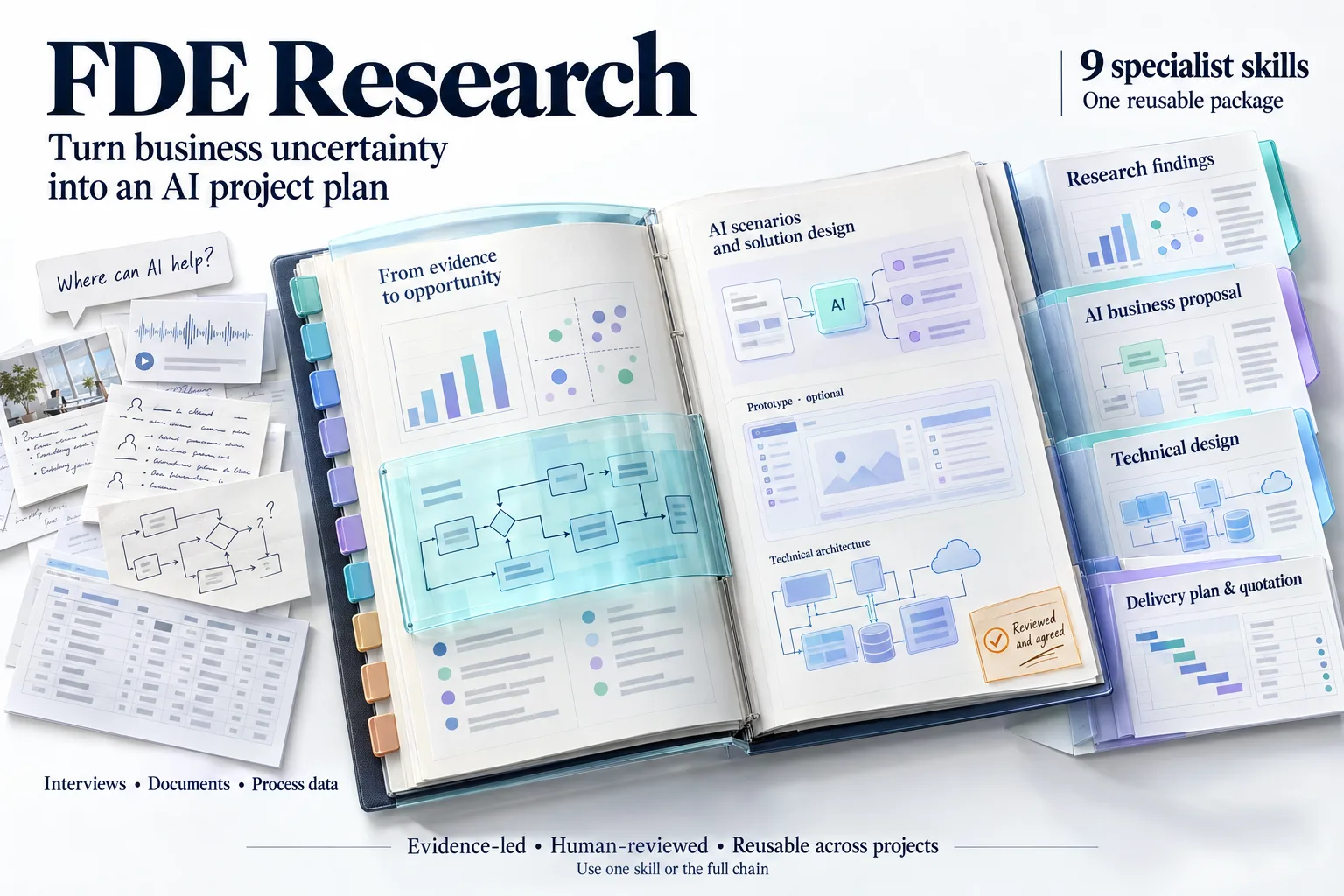
FDE Research

Nine agent skills behind one entry point that turn a vague enterprise AI request into a project plan you can defend: evidence first, human sign-off last.

  • 9 specialist skills behind one /fde-research entry
  • 4 deliverables: findings, proposal, technical design, delivery plan and quotation
  • Human the agent drafts and checks; a person signs off
  • Enterprise AI
  • Agent Skills
  • Claude Code
  • Python
  • Markdown

CodeMar – Aug 2026

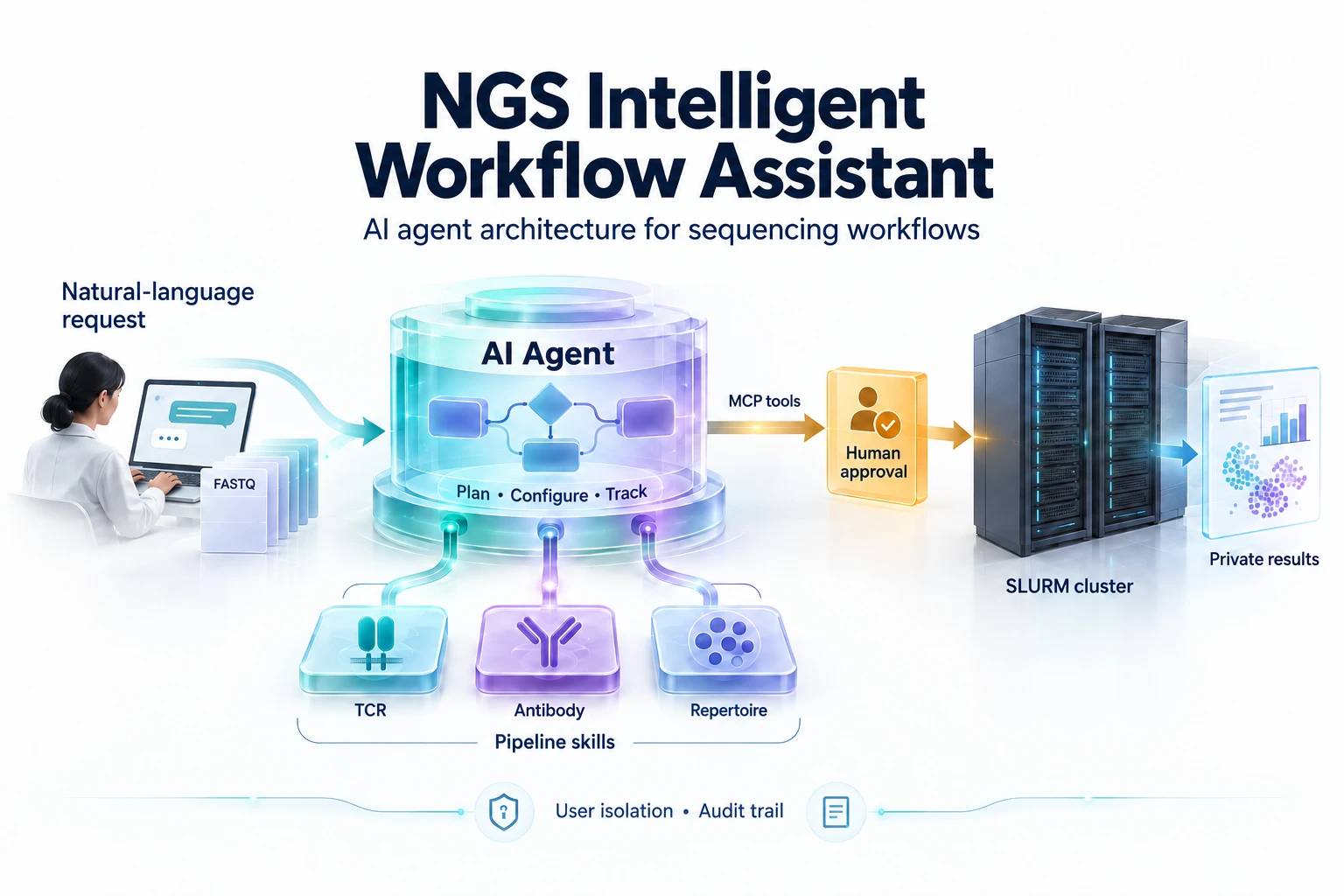
NGS Intelligent Workflow Assistant

An AI agent that lets bench scientists run TCR and antibody sequencing pipelines on a shared HPC cluster by describing what they need in plain language.

  • < 5 min from request to submitted job, no command line
  • Audited every run reproducible and traceable by default
  • Skills new analyses plug in as skills, not rewrites
  • Harness
  • Vibe Coding
  • Claude Agent SDK
  • MCP
  • TypeScript
  • React
  • Node.js
  • SLURM
  • HPC

Research + codeSep 2025 – Mar 2026

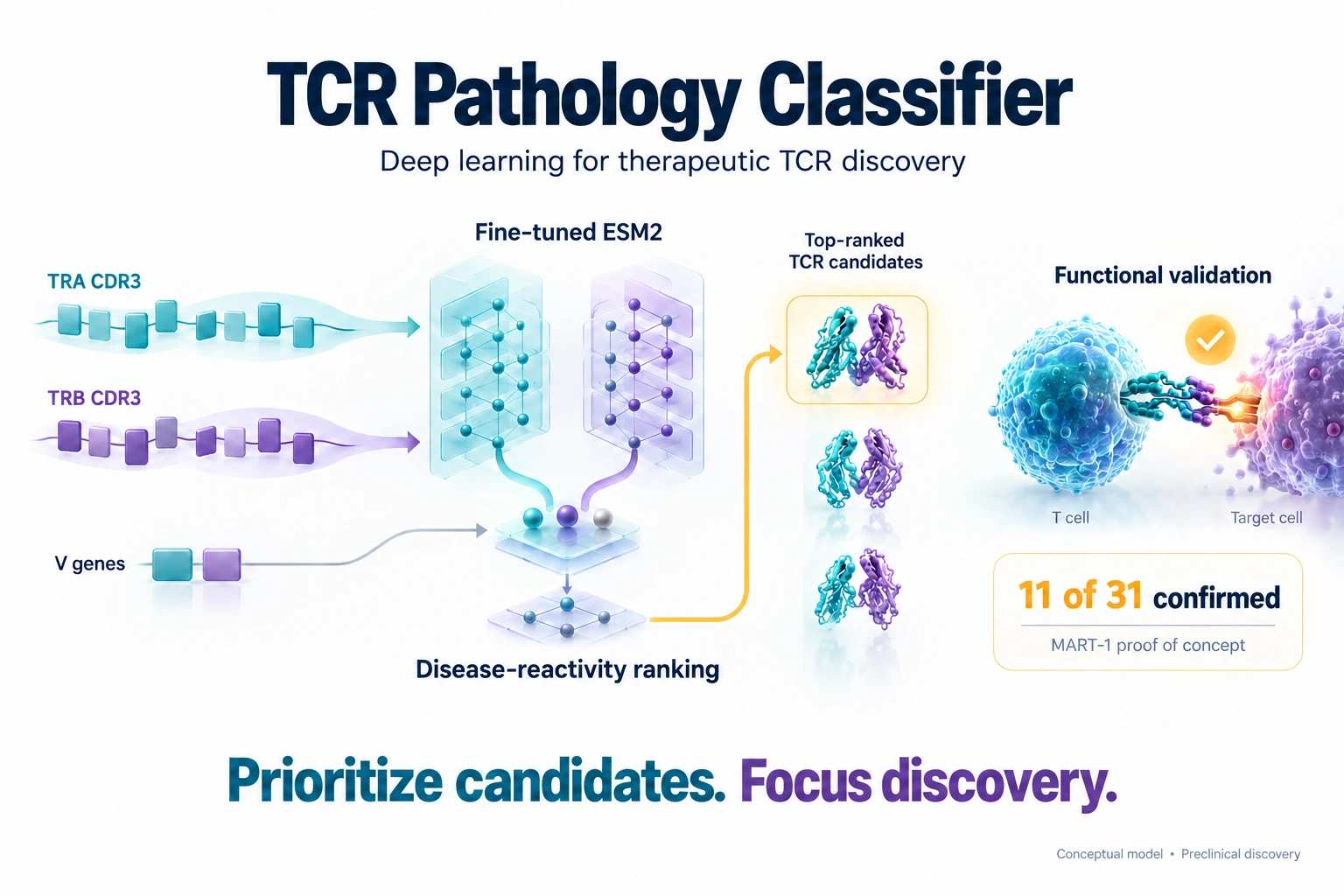
TCR Pathology Classifier

A protein language model that ranks T-cell receptors by the disease they likely recognize, so the lab screens a short list instead of a whole repertoire.

  • 35% validated hit rate among model-prioritized clones (11 of 31)
  • ~10× smaller search space, from ~7,000 clones to 572
  • 8 wk → 10 d from raw repertoire to a testable shortlist
  • Transformer
  • NGS
  • PyTorch
  • ESM2
  • Hugging Face
  • Flask
  • pandas
  • scikit-learn

Code2026

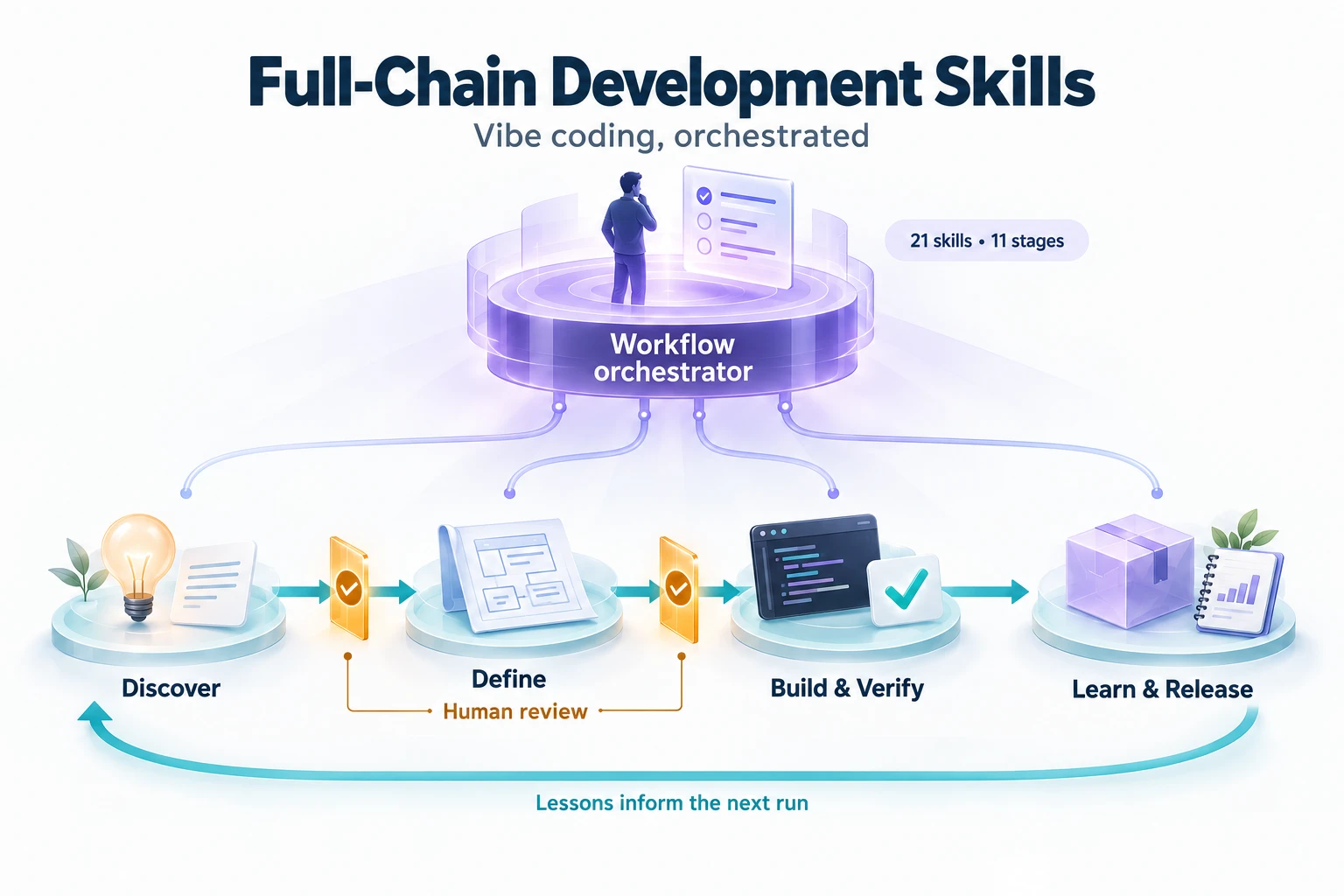
Full-Chain Development Skills

Twenty-one open-source agent skills that walk a project from idea to release — research, PRD, spec, design, test-driven build, and retrospective — with real stop points.

  • 21 skills covering 11 stages of development
  • 11 structural checks, each with its own tests
  • MIT licensed, usable chained or one at a time
  • Vibe Coding
  • Spec-Driven Development (SDD)
  • Test-Driven Development (TDD)
  • Agent Skills
  • Claude Code
  • Python
  • MCP
  • Markdown

Research + code2022 – 2026

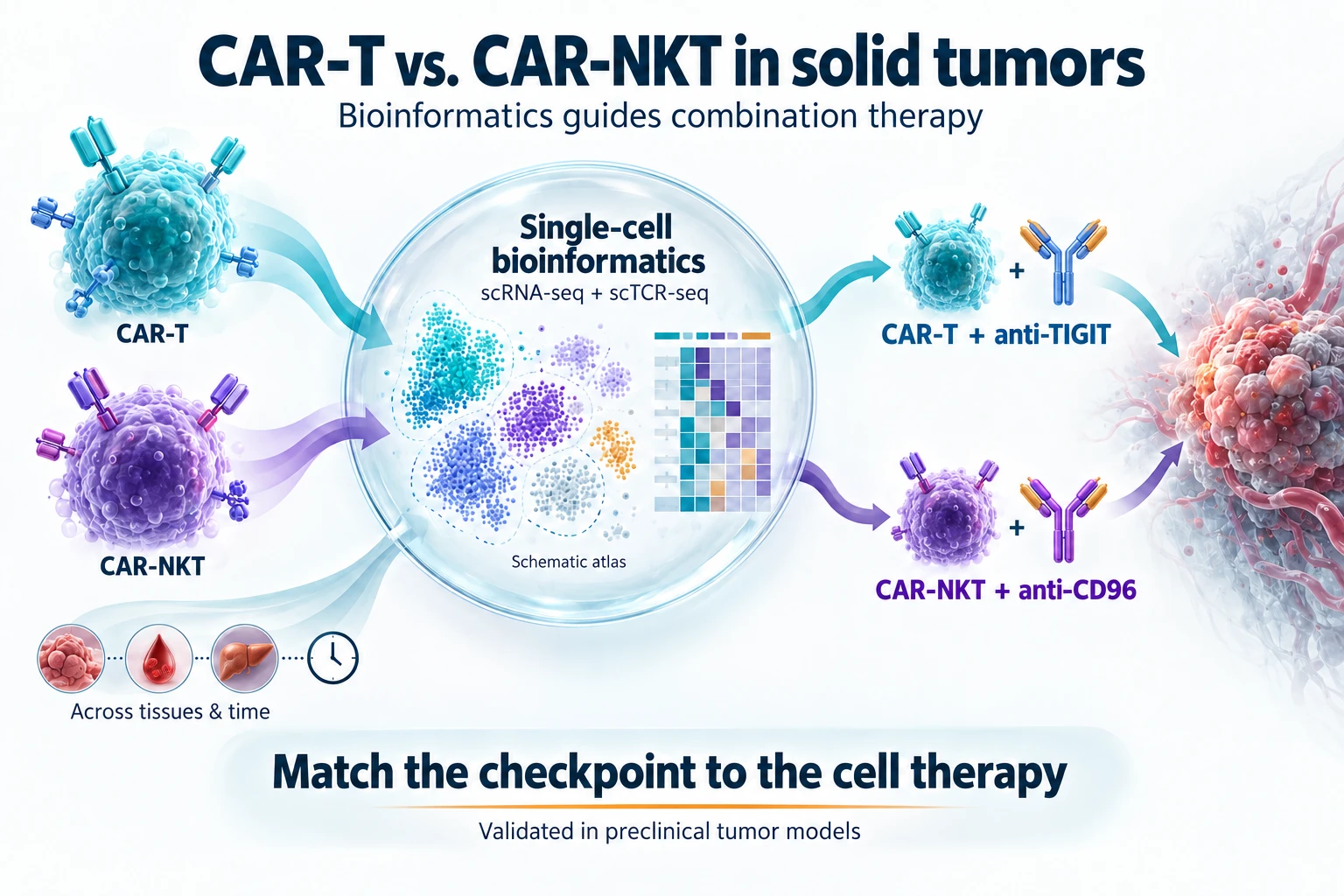
CAR-T vs. CAR-NKT in solid tumors

Following two cell therapies through tissues and time to learn why one of them does better in solid tumors — and which checkpoint each one needs.

  • Homing CAR-NKT cells infiltrated and localized in tumors better
  • Persistence CAR-NKT cells lasted longer in vivo
  • TIGIT vs CD96 a different checkpoint partner for each product
  • Cell Therapy Discovery
  • Stem Cell-derived CAR-T
  • NKT Cell
  • Cell Chat
  • scRNA-seq
  • scTCR-seq
  • Seurat
  • Scanpy
  • R
  • Python

All 5 projects

Research

How immune cells sense, signal, and kill: from nanoscale receptor imaging to engineered cell therapies.

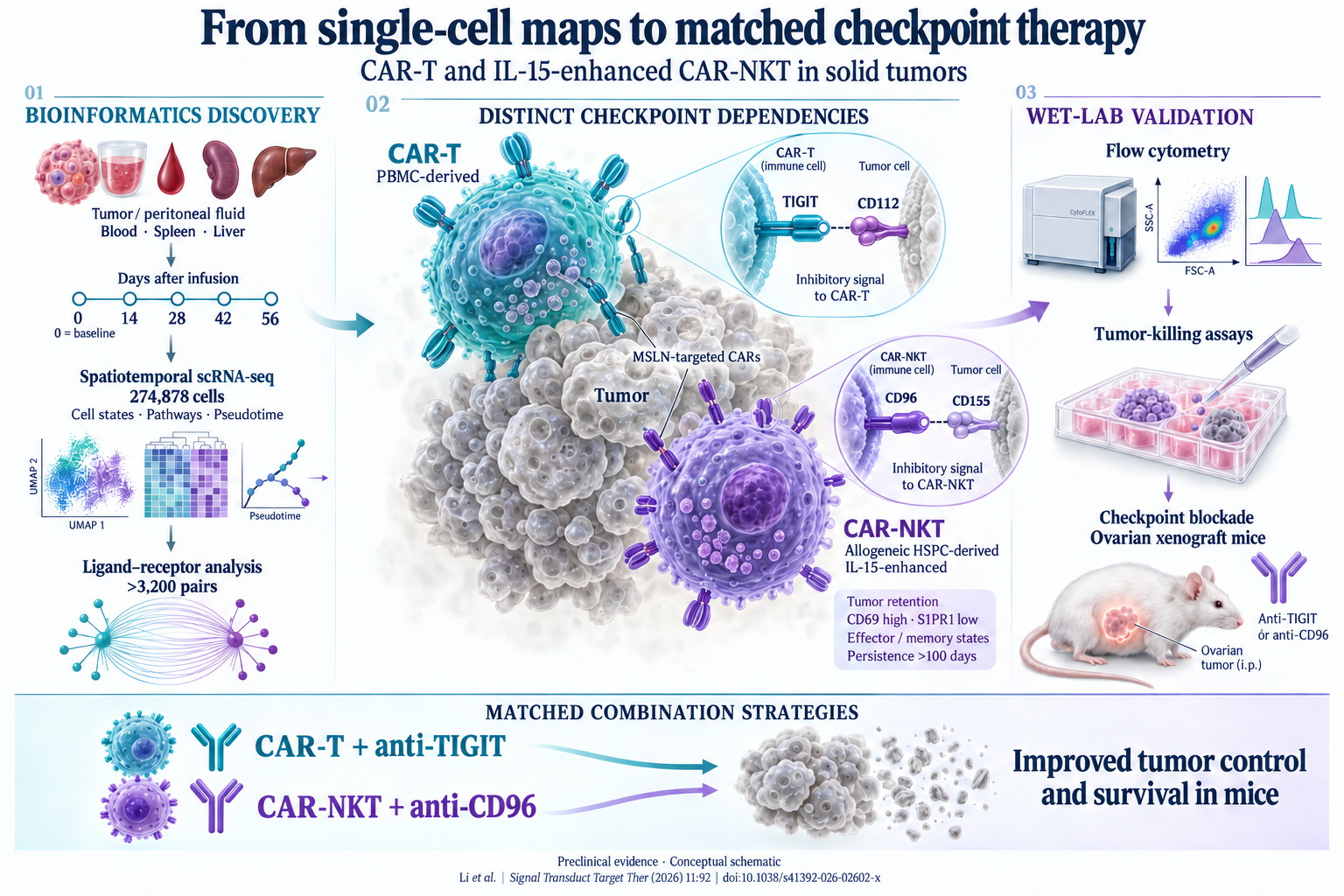
Conceptual schematic linking spatiotemporal single-cell profiling to matched checkpoint therapies: CAR-T with anti-TIGIT and CAR-NKT with anti-CD96, followed by experimental validation in solid-tumor models.

Signal Transduction and Targeted Therapy 2026

Spatiotemporal profiling reveals distinct dynamics and checkpoint regulations of CAR-T and CAR-NKT cells against solid tumors

Y.-R. Li*, M. Li*, Y. Chen, H. Leng, Y. Zhu, … L. Yang

We followed conventional CAR-T cells and stem cell-derived CAR-NKT cells across tissues and time in solid-tumor models. CAR-NKT cells homed into tumors better and persisted longer,…

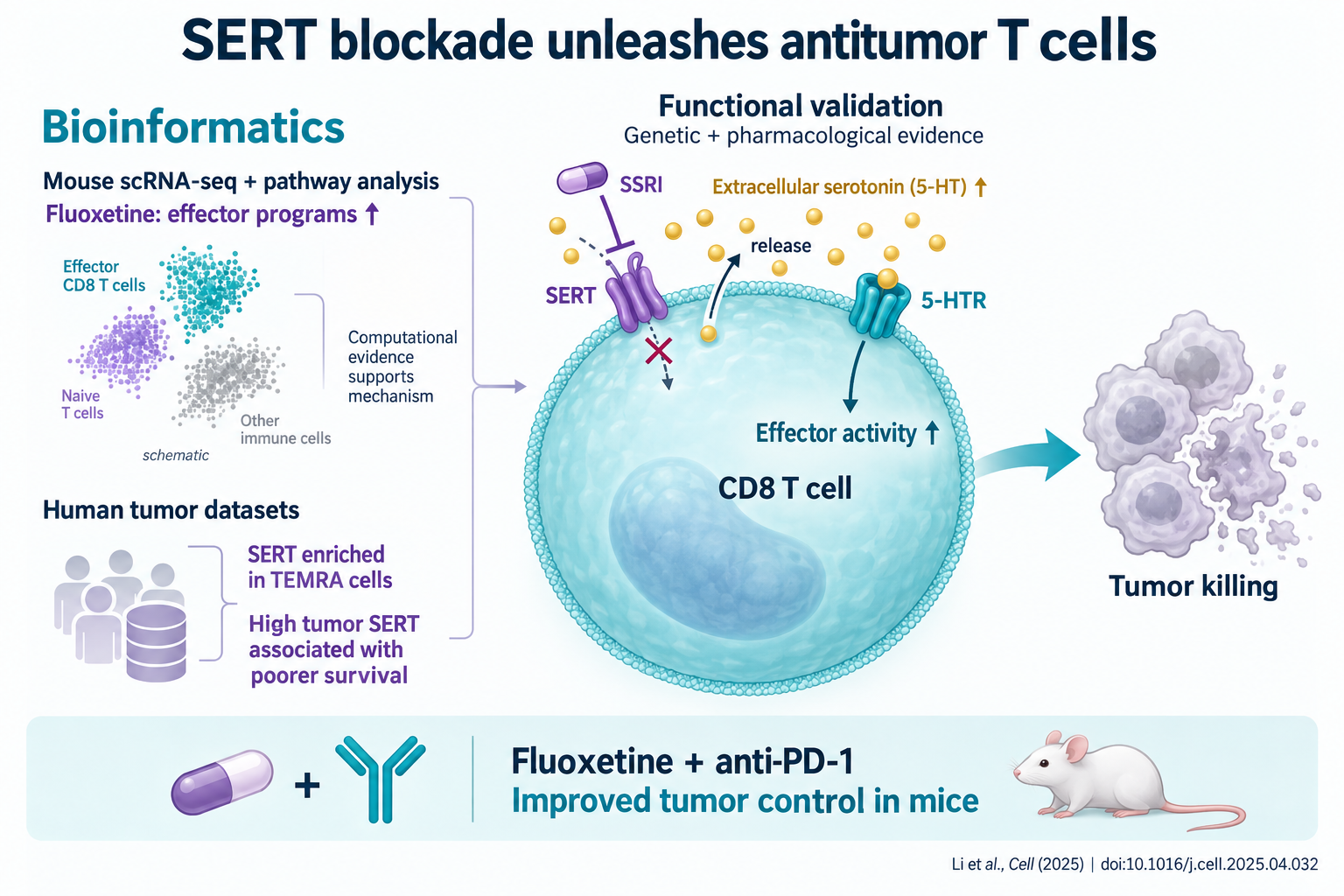
Bioinformatics and functional validation connect SERT blockade to enhanced CD8 T-cell activity: single-cell and human tumor analyses support the serotonin mechanism, while fluoxetine plus anti-PD-1 improves tumor control in mice.

Cell 2025

Serotonin transporter inhibits antitumor immunity through regulating the intratumoral serotonin axis

B. Li, J. Elsten-Brown, M. Li, E. Zhu, et al.

Tumor-infiltrating CD8 T cells switch on the serotonin transporter SERT, which acts like an immune checkpoint. Widely prescribed antidepressants (SSRIs) that block it boosted anti-tumor T…

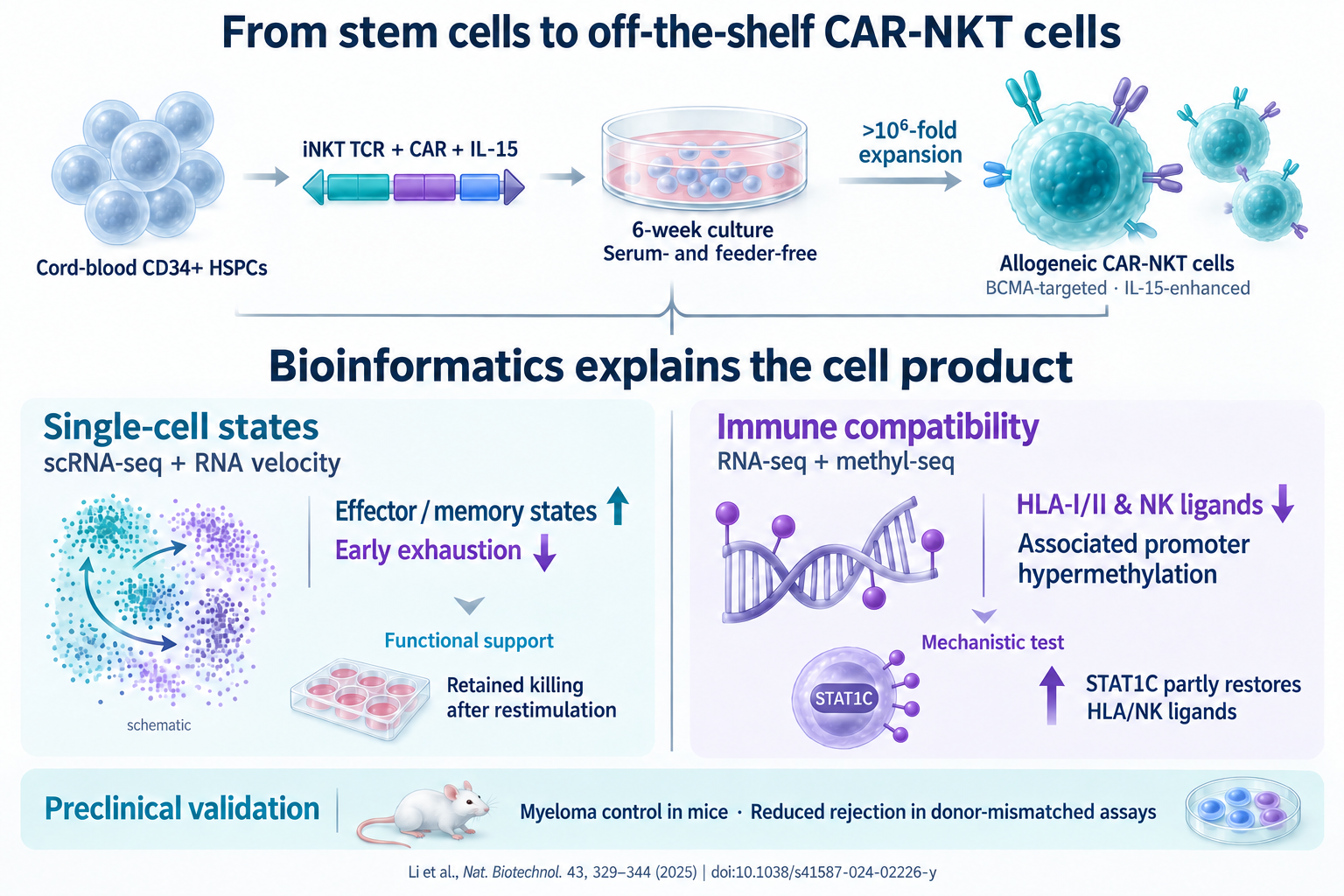
Cord-blood stem and progenitor cells become allogeneic CAR-NKT cells through a six-week culture. Single-cell and methylation analyses explain effector and memory states and low immune-marker expression, supported by functional tests and preclinical myeloma results.

Nature Biotechnology 2025

Generation of allogeneic CAR-NKT cells from hematopoietic stem and progenitor cells using a clinically guided culture method

Y.-R. Li, Y. Zhou, J. Yu, Y. J. Kim, M. Li, et al.

A feeder-free, clinically guided process turns blood stem and progenitor cells into IL-15-enhanced allogeneic CAR-NKT cells at high yield and purity, with anti-tumor activity across several…

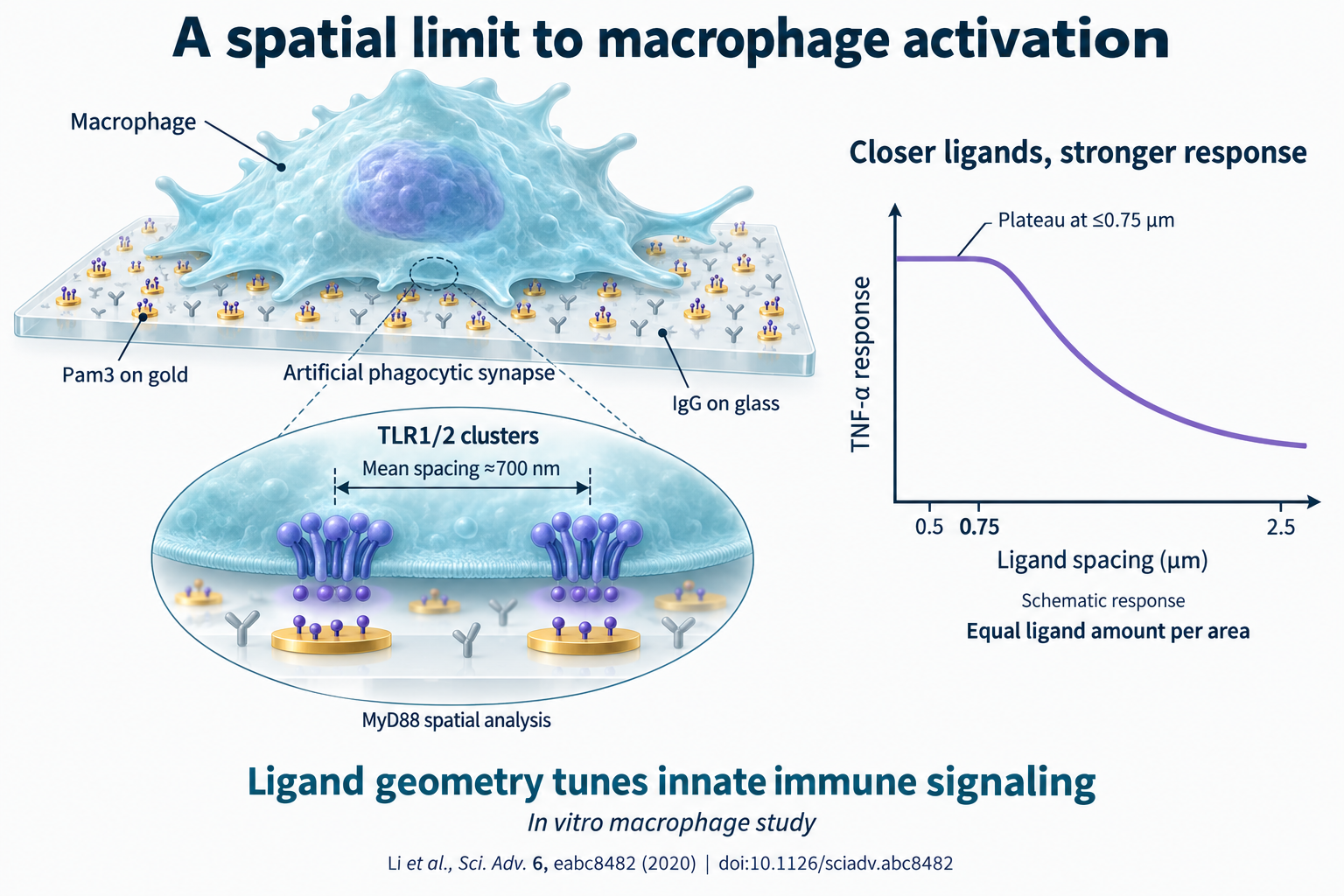
A macrophage rests on an artificial phagocytic synapse of Pam3-coated gold nanodisks and IgG-coated glass. A schematic shows the spacing limit of TLR1/2 clusters and the TNF-alpha response plateau at close ligand spacing.

Science Advances 2020

Macrophage activation on “phagocytic synapse” arrays: Spacing of nanoclustered ligands directs TLR1/2 signaling with an intrinsic limit

M. Li, H. Wang, W. Li, X. G. Xu, Y. Yu

We built nanoarrays that mimic the contact zone between a macrophage and a microbe. Moving ligand clusters closer together brought receptor clusters together and increased inflammatory…

All 13 publications Google Scholar

Notebook

Explainers, short videos, and working notes on statistics, machine learning, and immunology.

  1. Video, 3:35

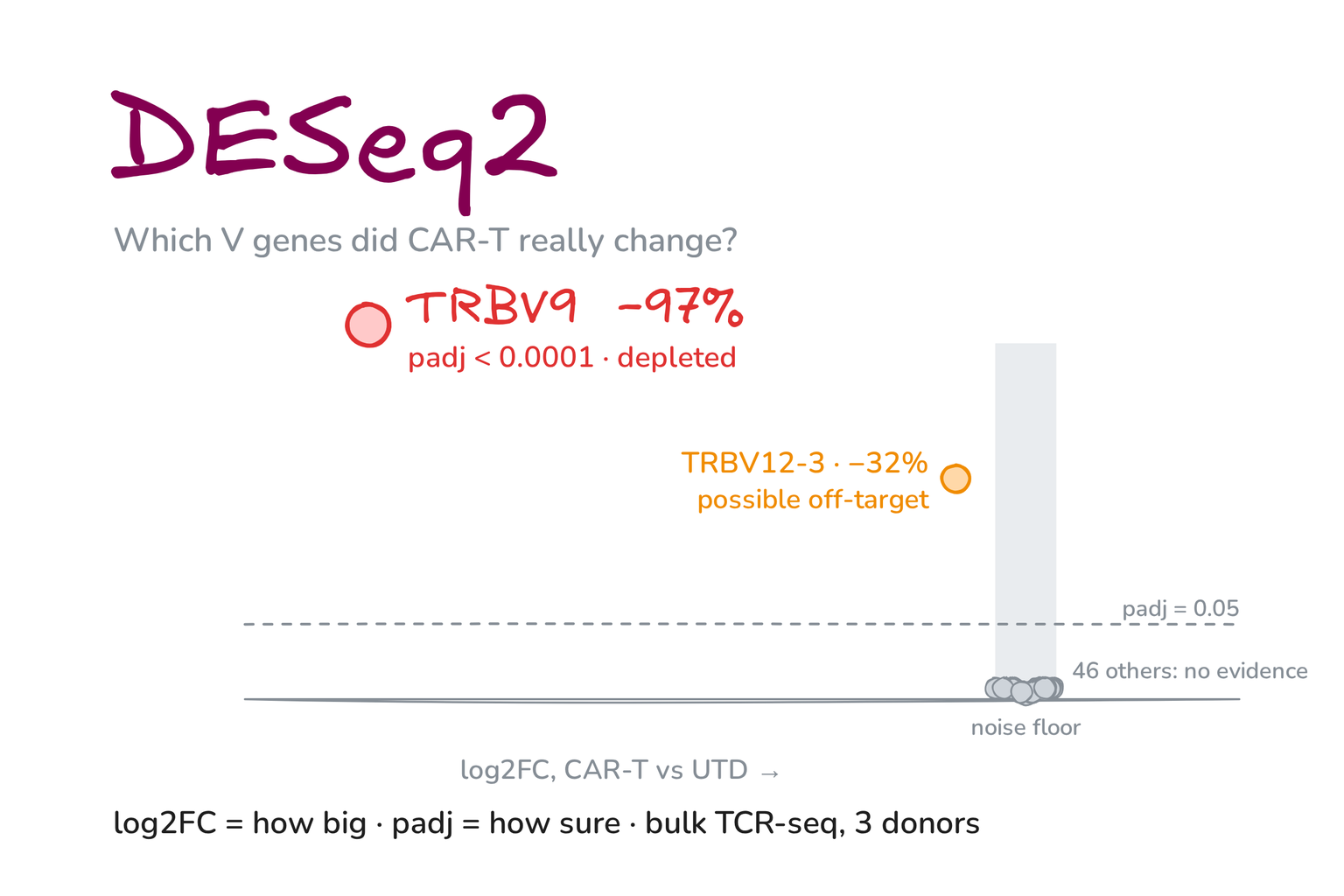
    DESeq2 for bulk TCR-seq: a field guide from read counts to off-target calls

    A 3.5-minute narrated video and a complete tutorial on using DESeq2 (PyDESeq2) to compare V-gene usage between CAR-T and control T cells: why raw percentages mislead, the five steps inside DESeq2, a…

  2. Video, 5:35

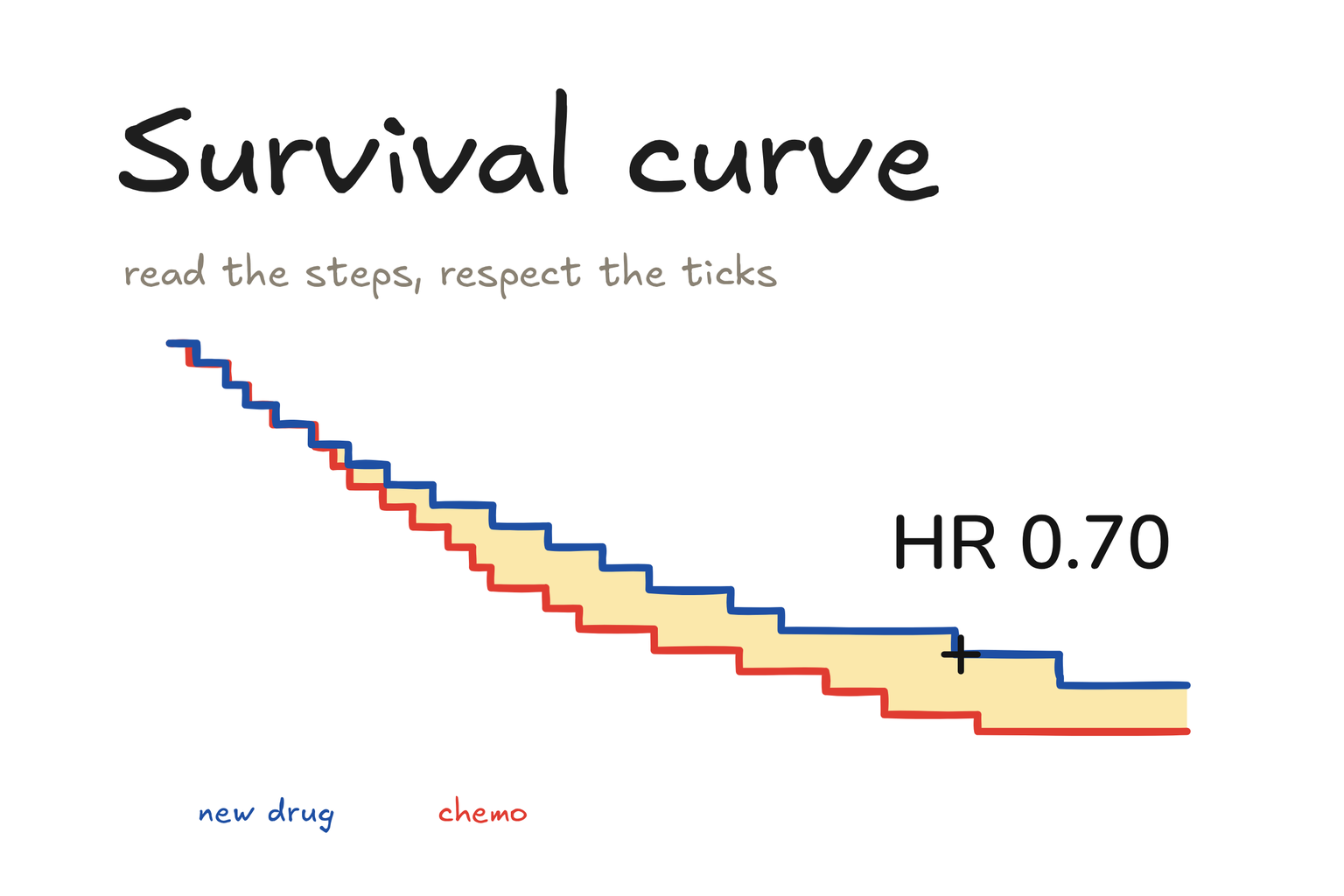
    What is a survival curve? How to read the most important chart in clinical research

    A 5-minute narrated video and an illustrated walkthrough of the Kaplan–Meier survival curve: time to an event, censoring, why counting fails, the step-by-step calculation, medians and confidence bands, the log-rank test, the…

  3. Video, 9:34

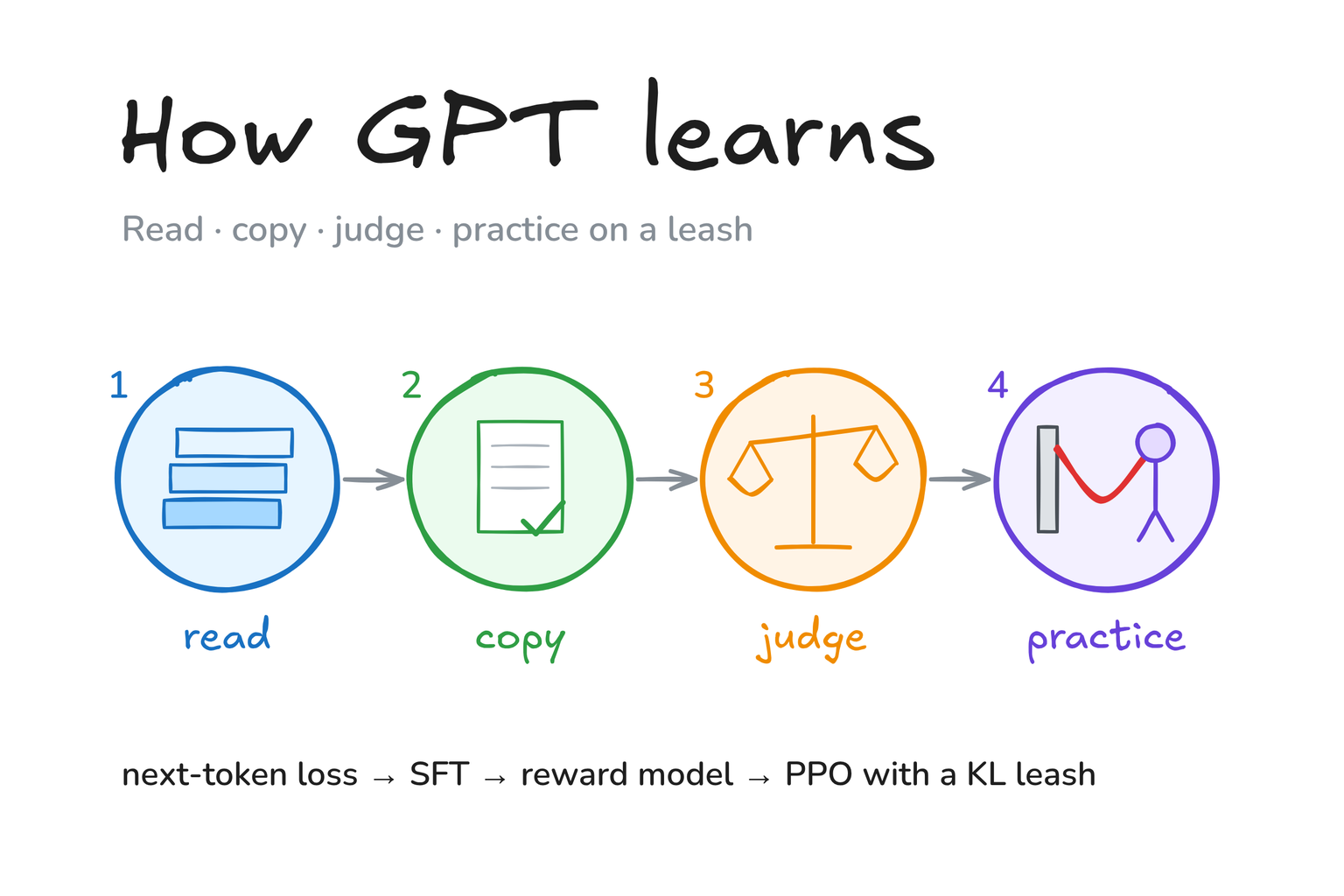
    How is GPT trained? From next-token guessing to RLHF, step by step

    A 10-minute narrated video and an illustrated walkthrough of the four stages behind GPT and ChatGPT: pretraining, supervised fine-tuning, a reward model trained on human rankings, and RLHF with PPO. Every loss…

All posts

Path

From physics to the bench to code, with immunology as the constant.

  1. 2023 – Present

    Senior Scientist | AstraZeneca

    TCR discovery, immune-repertoire and single-cell pipelines, deep learning for biology discovery, AI tooling for NGS analysis.

  2. 2022 – 2023

    Postdoctoral Fellow | University of California, Los Angeles

    Cell therapy bioinformatics.

  3. 2018 – 2022

    Postdoctoral Fellow | Indiana University Bloomington

    Computational imaging of immune receptors.

  4. 2013 – 2017

    Ph.D., Physics (Dr. rer. nat.), University of Munich (LMU)

    Munich, Germany

  5. 2011 – 2012

    M.Res., Pharmacy, The University of Nottingham

    Nottingham, United Kingdom

  6. 2006 – 2011

    B.Eng., Pharmaceutical Science, Wuhan University of Technology

    Wuhan, China

Full CV

Toolkit

Half of it runs on a cluster, half of it in a biosafety cabinet.

At the computer

  • GenAI, agentic workflows & AI coding tools

    Multi-agent analytics workflows, with human approval, identity isolation and audit logging built in.

    • Claude Agent SDK
    • Claude Code
    • MCP
    • Agent skills
    • LangChain
    • LangGraph
    • RAG
    • Spec-driven development
  • Programming & reproducible analytics engineering

    Reusable, tested, FAIR-aligned pipelines and production-grade web apps.

    • Python
    • R
    • Shell
    • Linux
    • Git / GitHub
    • SLURM / HPC
    • Flask
    • TypeScript
    • React
    • Node.js
    • Matplotlib
    • ggplot2
    • Tidyverse
  • Statistical & machine learning methods

    From classic ML to fine-tuned foundation models, validated against held-out functional readouts.

    • PyTorch
    • scikit-learn
    • XGBoost
    • Transformers
    • Cross-attention
    • CNN
    • ESM2 fine-tuning
    • PCA
    • K-means
    • DBSCAN
  • Large-scale health data analysis

    Patient-derived oncology and immune-disease datasets, from QC and integration to mechanism.

    • Bulk RNA-seq
    • scRNA-seq
    • scTCR-seq
    • Immune repertoires
    • Cell Ranger
    • Scanpy
    • Seurat
    • MiXCR
    • Pseudotime
    • RNA velocity
    • Cell–cell communication

At the bench

  • Cellular immunology & CAR-T engineering

    Primary and stem cell-derived immune cells, engineered and tested for function.

    • CAR-T
    • TCR-T
    • TCR screening
    • iPSC → T cells
    • HSC / iPSC culture
    • PBMC, NK, iNKT
    • Macrophages
    • Flow cytometry
    • ELISA
    • xCELLigence
    • Killing assays
  • Molecular biology & gene editing

    The constructs and edits behind engineered cells.

    • CRISPR/Cas9 knock-in
    • Lentivirus
    • Gibson cloning
    • PCR
    • gDNA extraction
    • Western blot
  • Advanced analytics & imaging

    Seeing receptors, cells and animals, from single molecules up.

    • STORM
    • Confocal
    • TIRF
    • Epifluorescence
    • In vivo BLI
    • SEM / TEM
    • Single-molecule tracking
    • ImageJ
    • Nanopatterning
    • Optical manipulation
  • Where they meet

    Models built at the computer, tested at the bench, and tools that bring the two together.

    • TCR model picks → MART-1 validation (35%)
    • scRNA/TCR-seq → CAR-T/TCR-T discovery
    • ML image analysis → receptor nanoclusters
    • AI agents → self-serve NGS for the lab

Full detail in the CV

Get in touch

I’m glad to talk about collaborations, invited talks, and roles in computational immunology, AI/ML, and clinical data science.

Email miao.li6908@gmail.com Connect on LinkedIn