Research

Two threads run through my papers: how immune receptors organize and signal at the nanoscale, and how engineered immune cells behave as therapies. Every entry has a one-paragraph summary for non-specialists.

2026

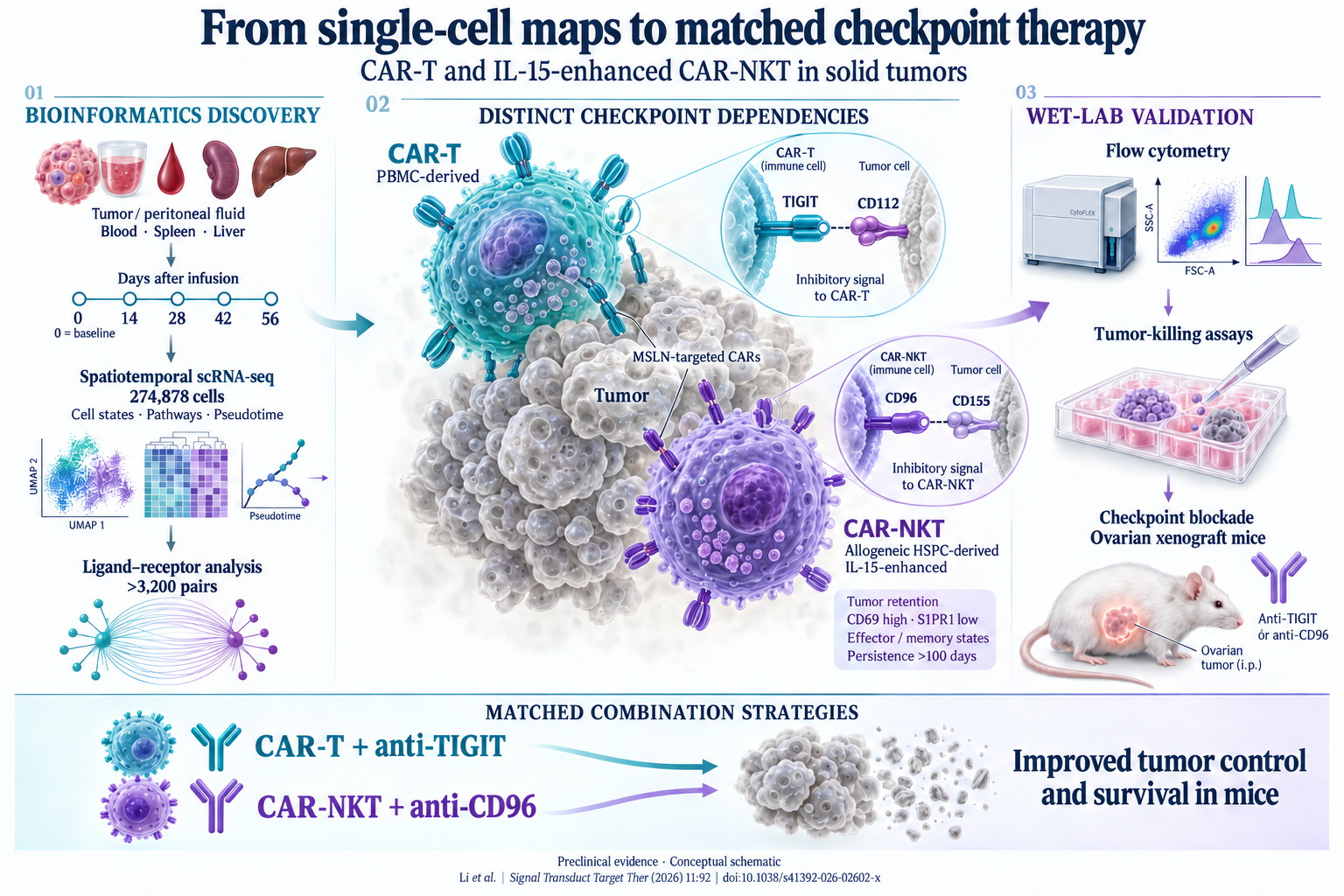
Conceptual schematic linking spatiotemporal single-cell profiling to matched checkpoint therapies: CAR-T with anti-TIGIT and CAR-NKT with anti-CD96, followed by experimental validation in solid-tumor models.
Signal Transduction and Targeted Therapy 2026

Spatiotemporal profiling reveals distinct dynamics and checkpoint regulations of CAR-T and CAR-NKT cells against solid tumors

Y.-R. Li*, M. Li*, Y. Chen, H. Leng, Y. Zhu, … L. Yang

Co-first authorOpen accessVideo

In plain English

We followed conventional CAR-T cells and stem cell-derived CAR-NKT cells across tissues and time in solid-tumor models. CAR-NKT cells homed into tumors better and persisted longer, and the two products responded to different checkpoint blockades: TIGIT for CAR-T, CD96 for CAR-NKT.

Graphic: Conceptual schematic linking spatiotemporal single-cell profiling to matched checkpoint therapies: CAR-T with anti-TIGIT and CAR-NKT with anti-CD96, followed by experimental validation in solid-tumor models.
Read the paper

2025

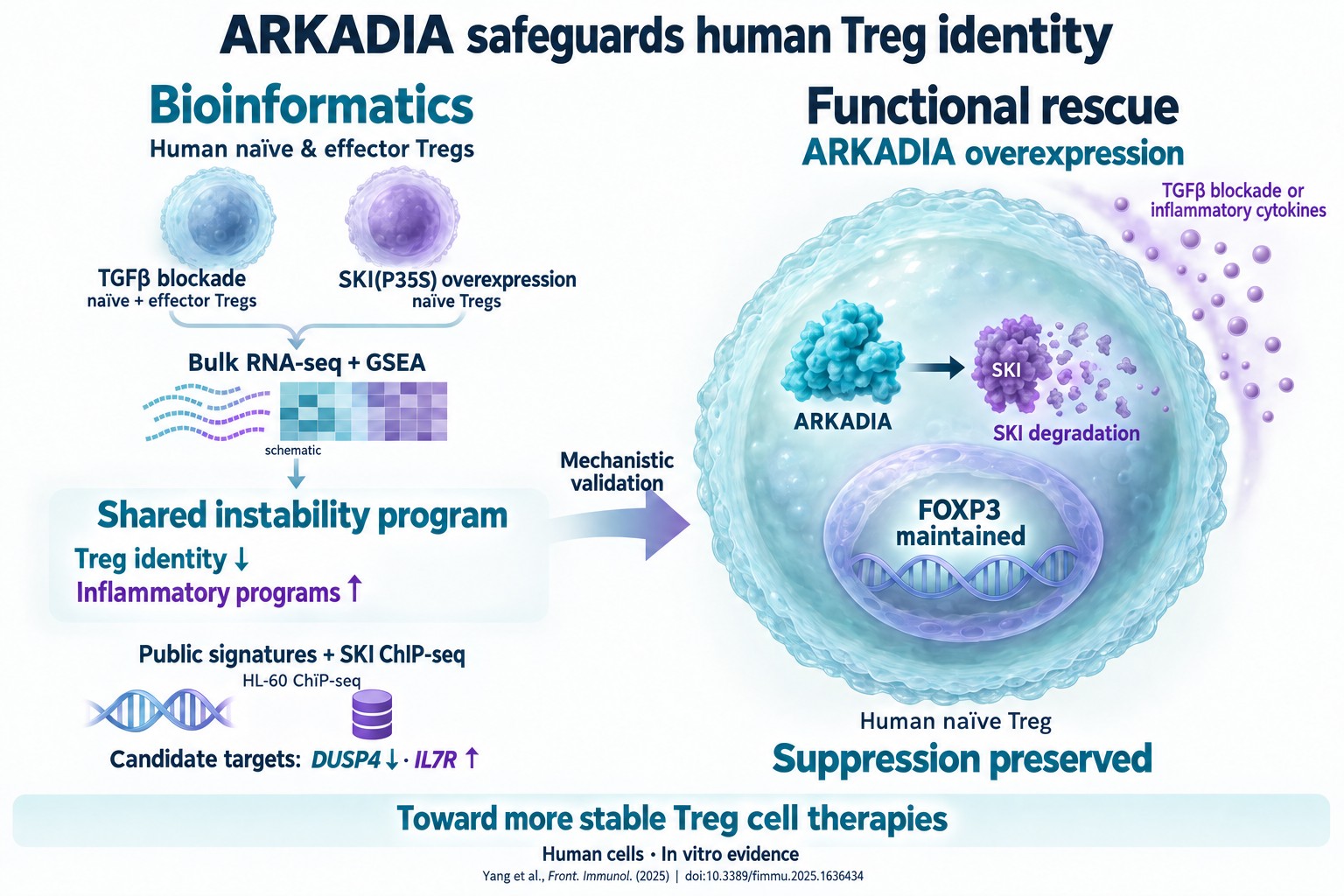
Bulk RNA-seq links TGFβ blockade and SKI overexpression to a shared Treg-instability program; public HL-60 SKI ChIP-seq prioritizes candidate targets, while ARKADIA overexpression preserves human naïve Treg identity and suppression in vitro.

Frontiers in Immunology 2025, 16

Differential regulation of Treg stability in human naïve and effector Treg subsets by TGFβ-signaling via ARKADIA-SKI axis

F. Yang, A. Yanes, M. Li, P. Heizer, … Z. Guo

Open accessVideo

In plain English

TGFβ signaling keeps human regulatory T cells stable, and naïve and effector subsets depend on it differently. Degrading the brake protein SKI with the E3 ligase ARKADIA made Tregs more stable and more suppressive — a lever for Treg cell therapy.

Graphic: Bulk RNA-seq links TGFβ blockade and SKI overexpression to a shared Treg-instability program; public HL-60 SKI ChIP-seq prioritizes candidate targets, while ARKADIA overexpression preserves human naïve Treg identity and suppression in vitro.

Read the paper

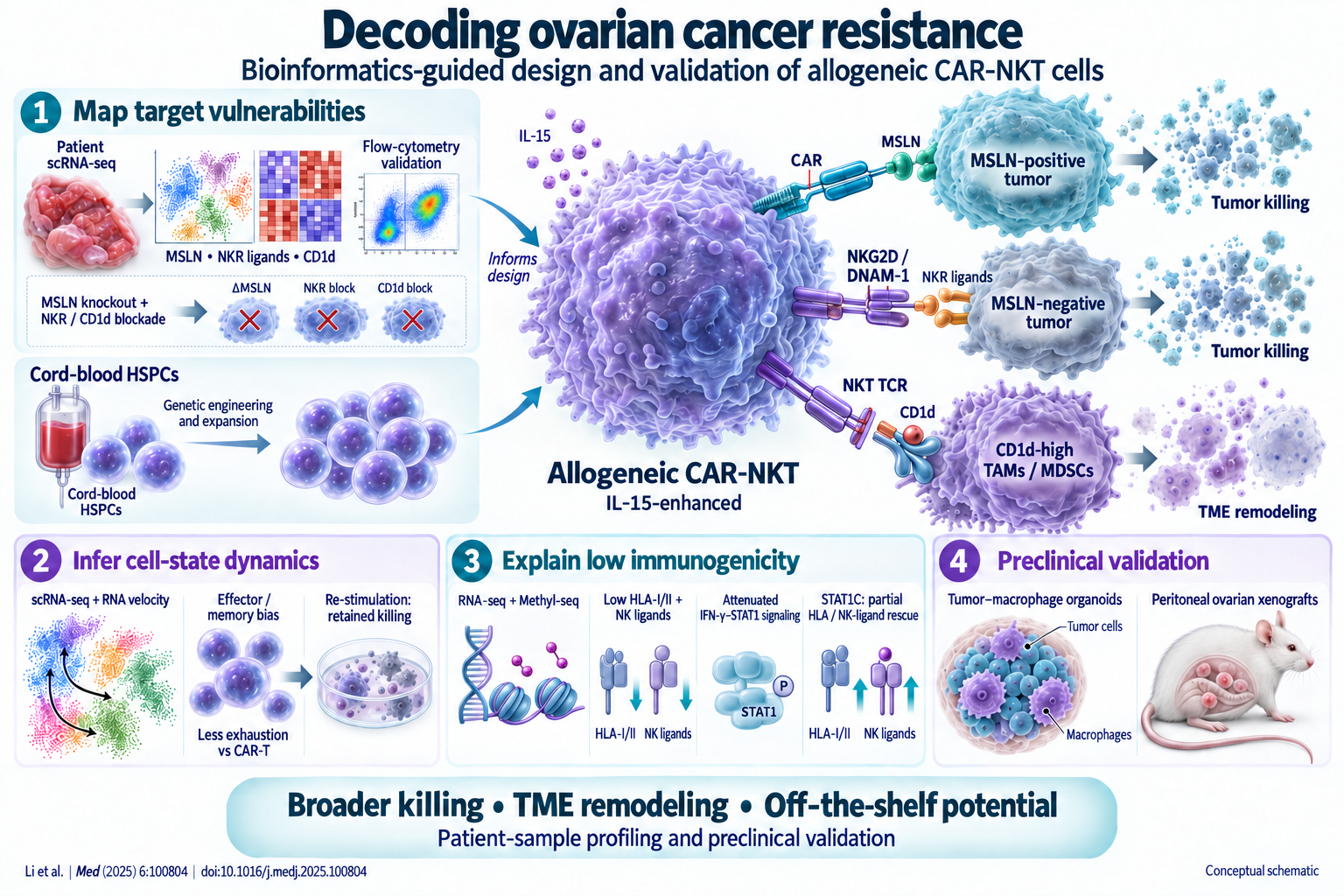
Conceptual schematic of bioinformatics-guided allogeneic CAR-NKT design for ovarian cancer: CAR, NK receptors, and NKT TCR target tumor cells and the suppressive microenvironment, with cell-state analysis, immunogenicity studies, and preclinical validation.

Med 2025, 6(10)

Overcoming ovarian cancer resistance and evasion to CAR-T cell therapy by harnessing allogeneic CAR-NKT cells

Y.-R. Li, Z. Li, Y. Zhu, M. Li, Y. Chen, et al.

Video

In plain English

Off-the-shelf CAR-NKT cells attacked ovarian tumors and their suppressive microenvironment through several mechanisms at once, outperforming conventional CAR-T cells in preclinical models with a favorable safety profile.

Graphic: Conceptual schematic of bioinformatics-guided allogeneic CAR-NKT design for ovarian cancer: CAR, NK receptors, and NKT TCR target tumor cells and the suppressive microenvironment, with cell-state analysis, immunogenicity studies, and preclinical validation.

Read the paper

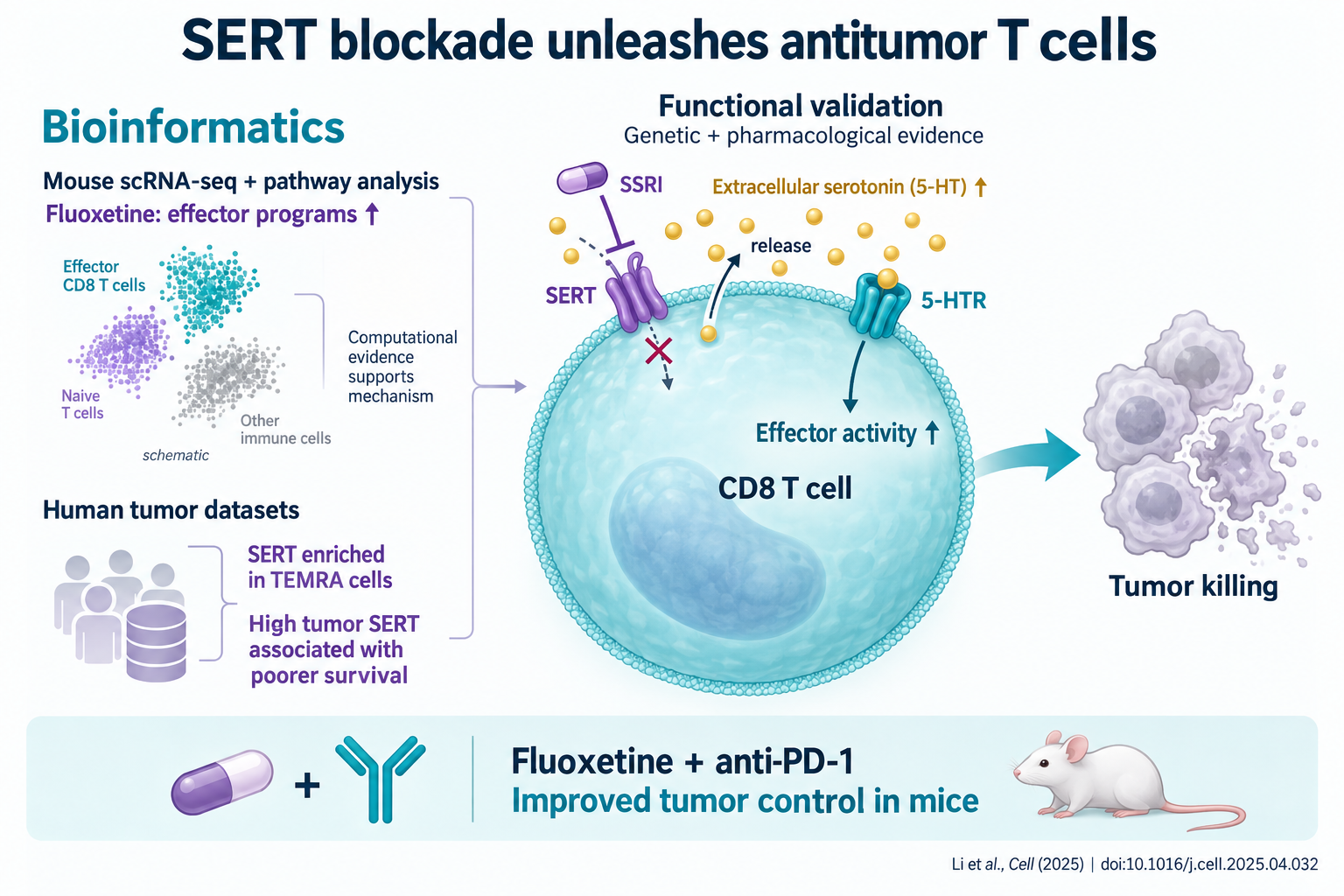
Bioinformatics and functional validation connect SERT blockade to enhanced CD8 T-cell activity: single-cell and human tumor analyses support the serotonin mechanism, while fluoxetine plus anti-PD-1 improves tumor control in mice.

Cell 2025, 188(14):3823–3842

Serotonin transporter inhibits antitumor immunity through regulating the intratumoral serotonin axis

B. Li, J. Elsten-Brown, M. Li, E. Zhu, et al.

Video

In plain English

Tumor-infiltrating CD8 T cells switch on the serotonin transporter SERT, which acts like an immune checkpoint. Widely prescribed antidepressants (SSRIs) that block it boosted anti-tumor T cells and worked together with PD-1 blockade in mouse models.

Graphic: Bioinformatics and functional validation connect SERT blockade to enhanced CD8 T-cell activity: single-cell and human tumor analyses support the serotonin mechanism, while fluoxetine plus anti-PD-1 improves tumor control in mice.

Read the paper

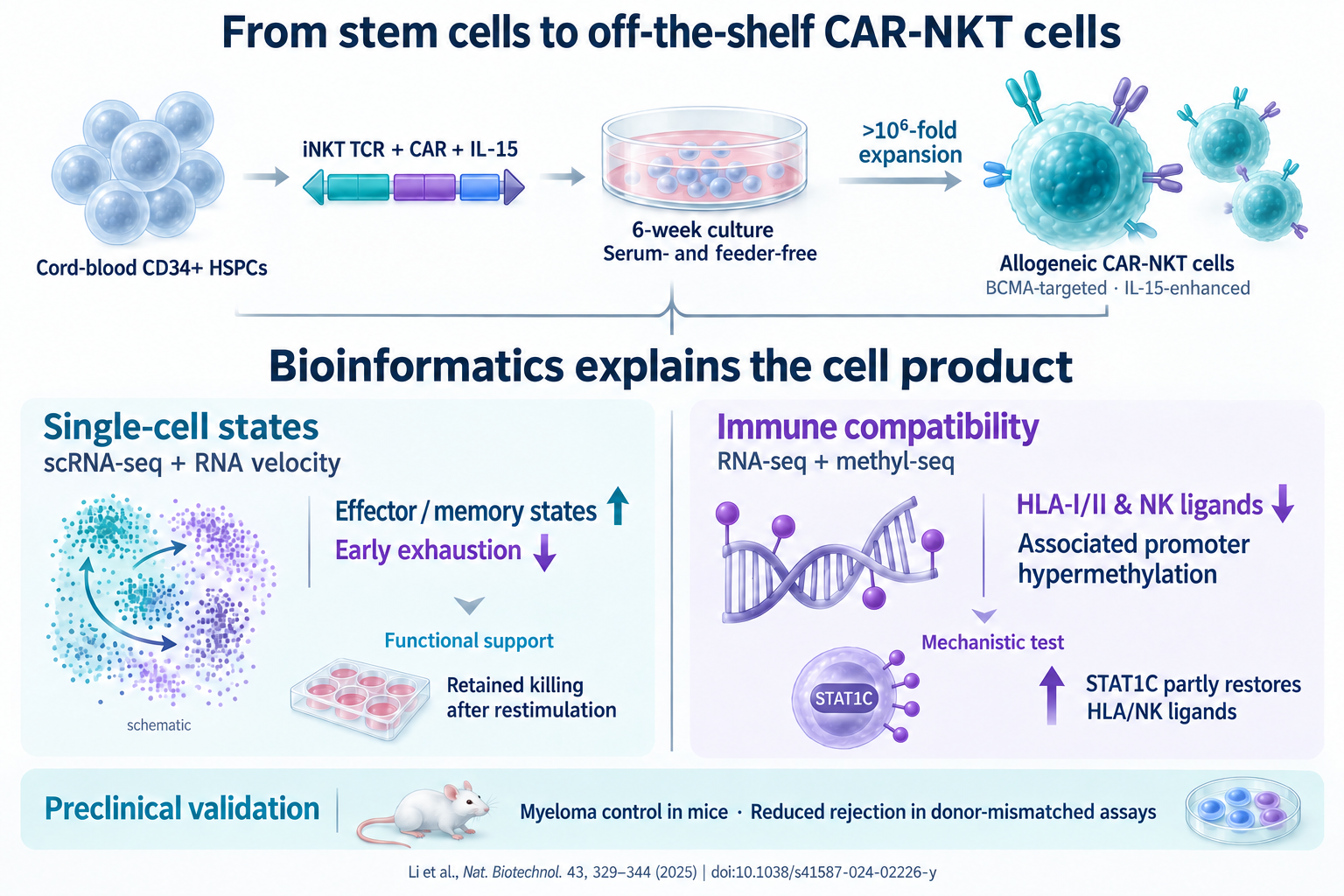
Cord-blood stem and progenitor cells become allogeneic CAR-NKT cells through a six-week culture. Single-cell and methylation analyses explain effector and memory states and low immune-marker expression, supported by functional tests and preclinical myeloma results.

Nature Biotechnology 2025, 43(3):329–344

Generation of allogeneic CAR-NKT cells from hematopoietic stem and progenitor cells using a clinically guided culture method

Y.-R. Li, Y. Zhou, J. Yu, Y. J. Kim, M. Li, et al.

Open accessVideo

In plain English

A feeder-free, clinically guided process turns blood stem and progenitor cells into IL-15-enhanced allogeneic CAR-NKT cells at high yield and purity, with anti-tumor activity across several cancer models.

Graphic: Cord-blood stem and progenitor cells become allogeneic CAR-NKT cells through a six-week culture. Single-cell and methylation analyses explain effector and memory states and low immune-marker expression, supported by functional tests and preclinical myeloma results.

Read the paper

2023

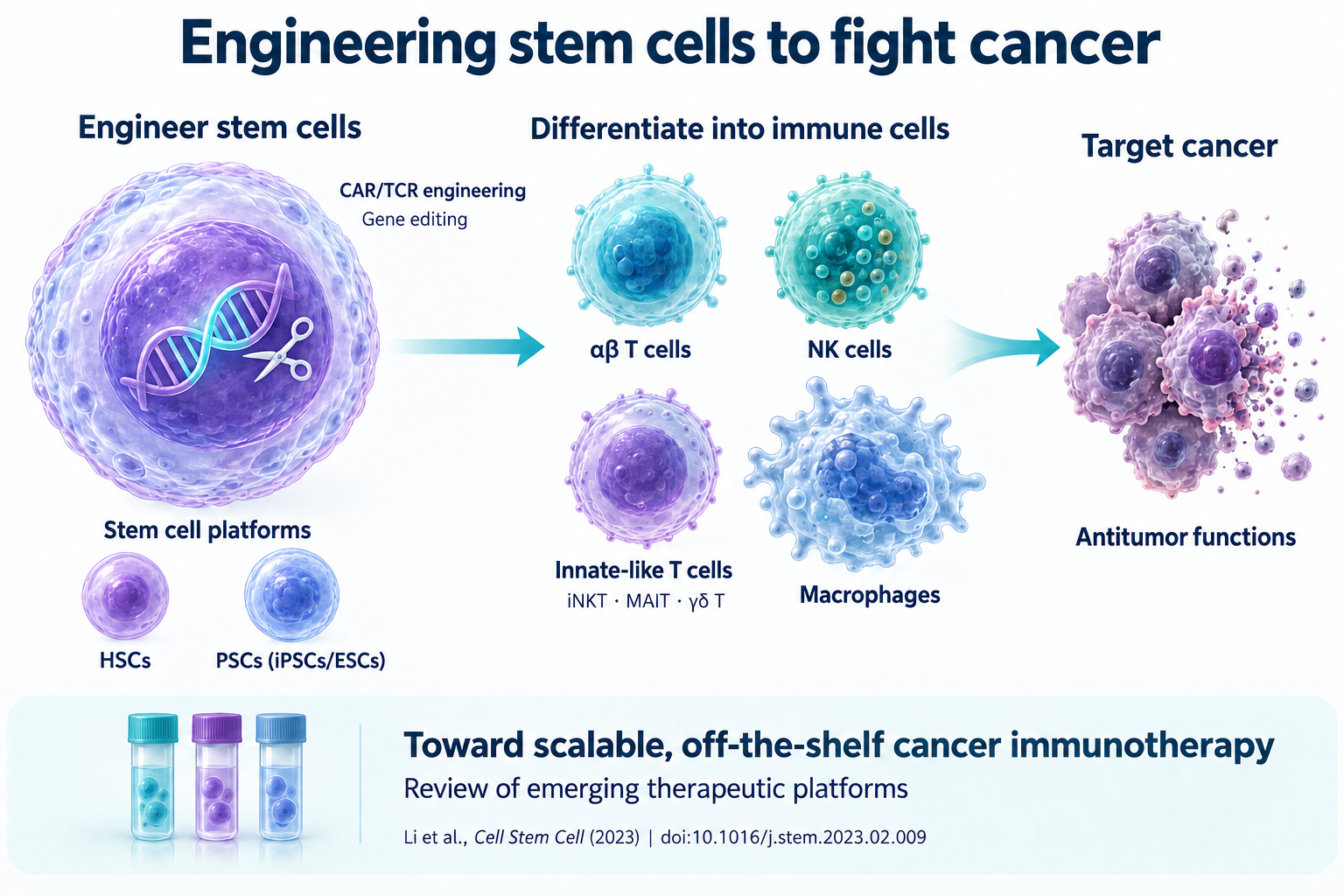
Engineered HSC and PSC platforms can produce T cells, NK cells, innate-like T cells and macrophages with antitumor functions; cryovials illustrate the goal of scalable cell therapy.

Cell Stem Cell 2023, 30

Advancing cell-based cancer immunotherapy through stem cell engineering

Y.-R. Li, Z. S. Dunn, Y. Yu, M. Li, P. Wang, L. Yang

Review

In plain English

A review of how engineered stem cells can supply scalable, off-the-shelf immune-cell therapies: cell sources, gene engineering, manufacturing, therapeutic platforms, and clinical trials.

Graphic: Stem-cell engineering combines genetic modification and directed differentiation to develop diverse antitumor immune-cell platforms. HSCs and PSCs offer alternative starting sources for products such as T cells, NK cells, innate-like T cells and macrophages. This review highlights their potential for scalable, off-the-shelf immunotherapy, with platform-specific challenges in safety, immune compatibility and persistence. Conceptual synthesis of a review; the depicted cell types represent separate platforms, not a combined product or uniformly clinically validated therapies.

Read the paper

2022

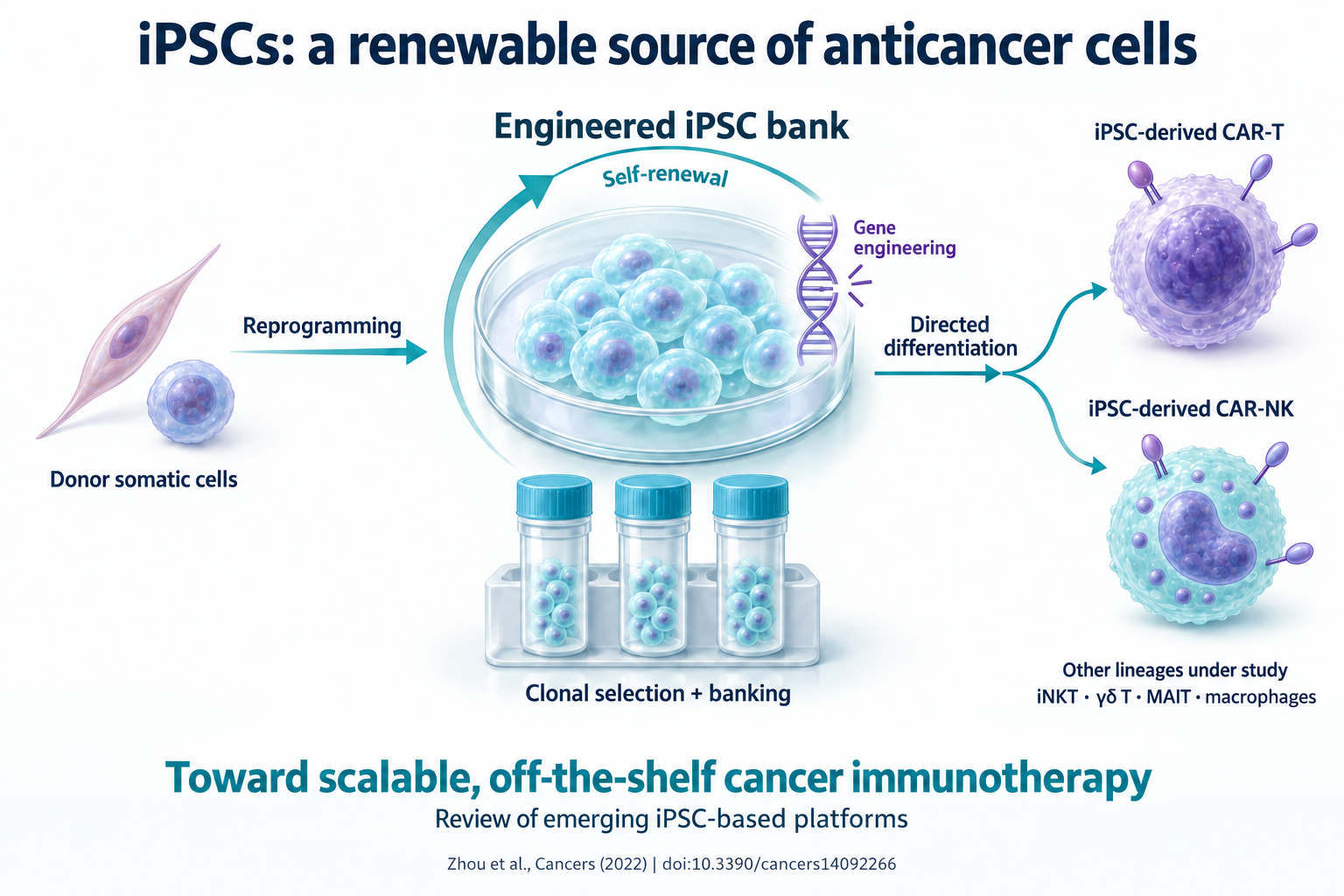
A renewable engineered iPSC bank supplies iPSC-derived CAR-T and CAR-NK cells, with other immune lineages under study.

Cancers 2022, 14(9):2266

Engineering induced pluripotent stem cells for cancer immunotherapy

Y. Zhou*, M. Li*, K. Zhou, J. Brown, T. Tsao, X. Cen, T. Husman, A. Bajpai, Z. S. Dunn, L. Yang

Co-first authorReviewOpen access

In plain English

A review of how induced pluripotent stem cells can be gene engineered and differentiated into T, NK, iNKT, γδ T cells and macrophages to make universal, off-the-shelf cancer immunotherapies.

Graphic: Reprogramming donor somatic cells creates a renewable iPSC source that can be genetically engineered, clonally selected and banked. Directed differentiation generates distinct immune-cell products, including CAR-T and CAR-NK cells, supporting the development of scalable, off-the-shelf cancer immunotherapy. Additional iPSC-derived lineages under study include iNKT, gamma-delta T, MAIT cells and macrophages. Conceptual synthesis of a 2022 review. Differentiation methods and clinical evidence vary across platforms; product purity, safety, immune compatibility and persistence remain key translational challenges.

Read the paper

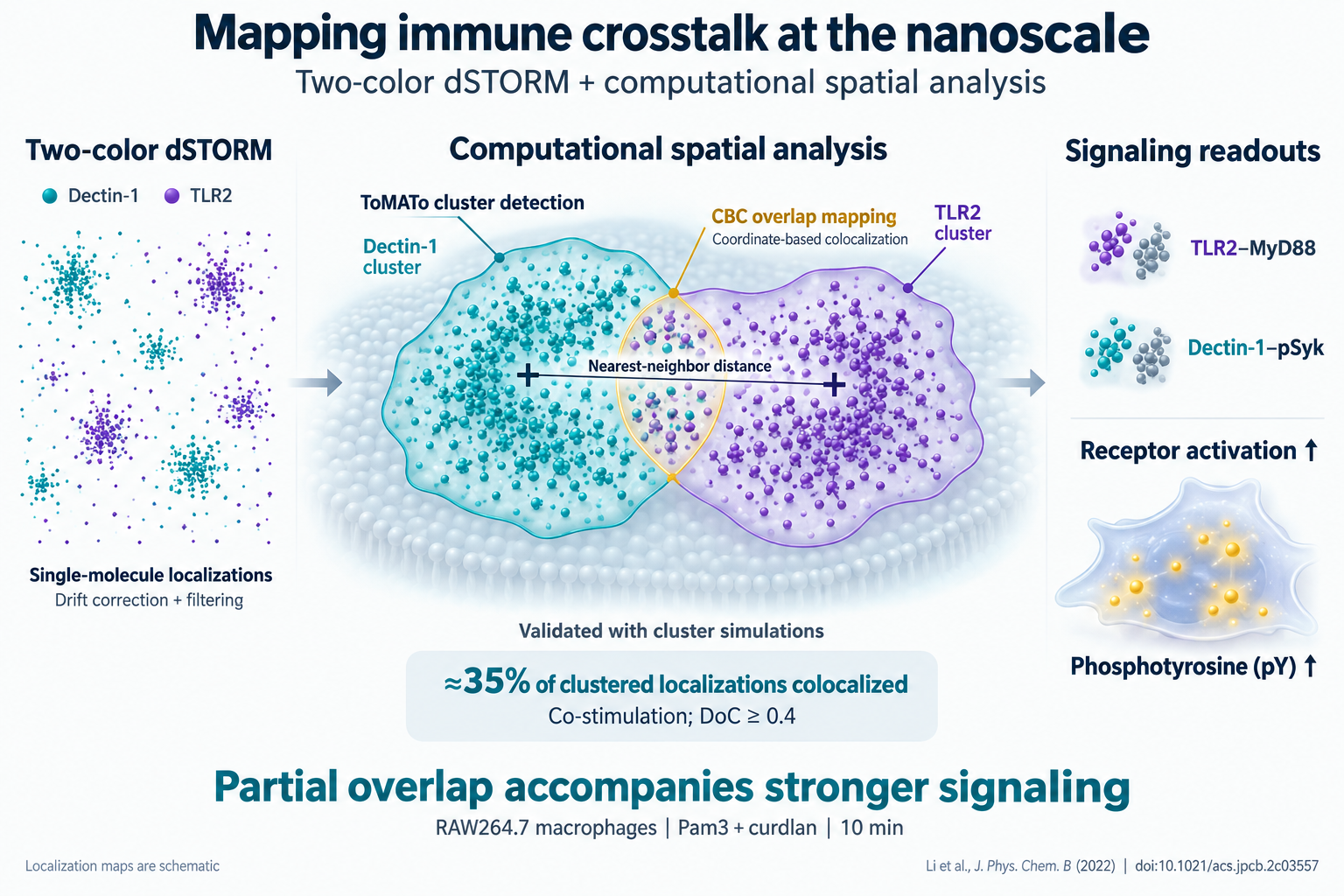
Computational spatial analysis of two-color dSTORM reveals partially overlapping Dectin-1 and TLR2 nanoclusters with stronger signaling.

The Journal of Physical Chemistry B 2022, 126(31):5781–5792

Spatial organization of Dectin-1 and TLR2 during synergistic crosstalk revealed by super-resolution imaging

M. Li, C. Vultorius, M. Bethi, Y. Yu

First author

In plain English

Two-color single-molecule super-resolution imaging showed that Dectin-1 and TLR2 form separate nanoclusters that partially overlap during synergistic signaling, rather than mixing into one complex.

Graphic: Computational spatial analysis turns two-color dSTORM localizations into a quantitative map of innate immune receptor crosstalk. After localization correction and filtering, ToMATo identifies Dectin-1 and TLR2 nanoclusters; nearest-neighbor analysis and simulation-validated coordinate-based colocalization (CBC) quantify their spatial relationship. In RAW264.7 macrophages co-stimulated with Pam3 and curdlan for 10 min, the receptor populations remain organized in distinct, partially overlapping nanoclusters. Approximately 35% of clustered localizations meet the colocalization criterion (DoC ≥ 0.4). Separate measurements of TLR2–MyD88 and Dectin-1–pSyk colocalization indicate increased receptor activation, accompanied by stronger phosphotyrosine signaling. Localization maps are conceptual illustrations, not experimental data. The results support a model of crosstalk at nanocluster interfaces; direct molecular interactions within those interfaces remain to be established. The study used RAW264.7 cells stably expressing GFP-Dectin-1.

Read the paper

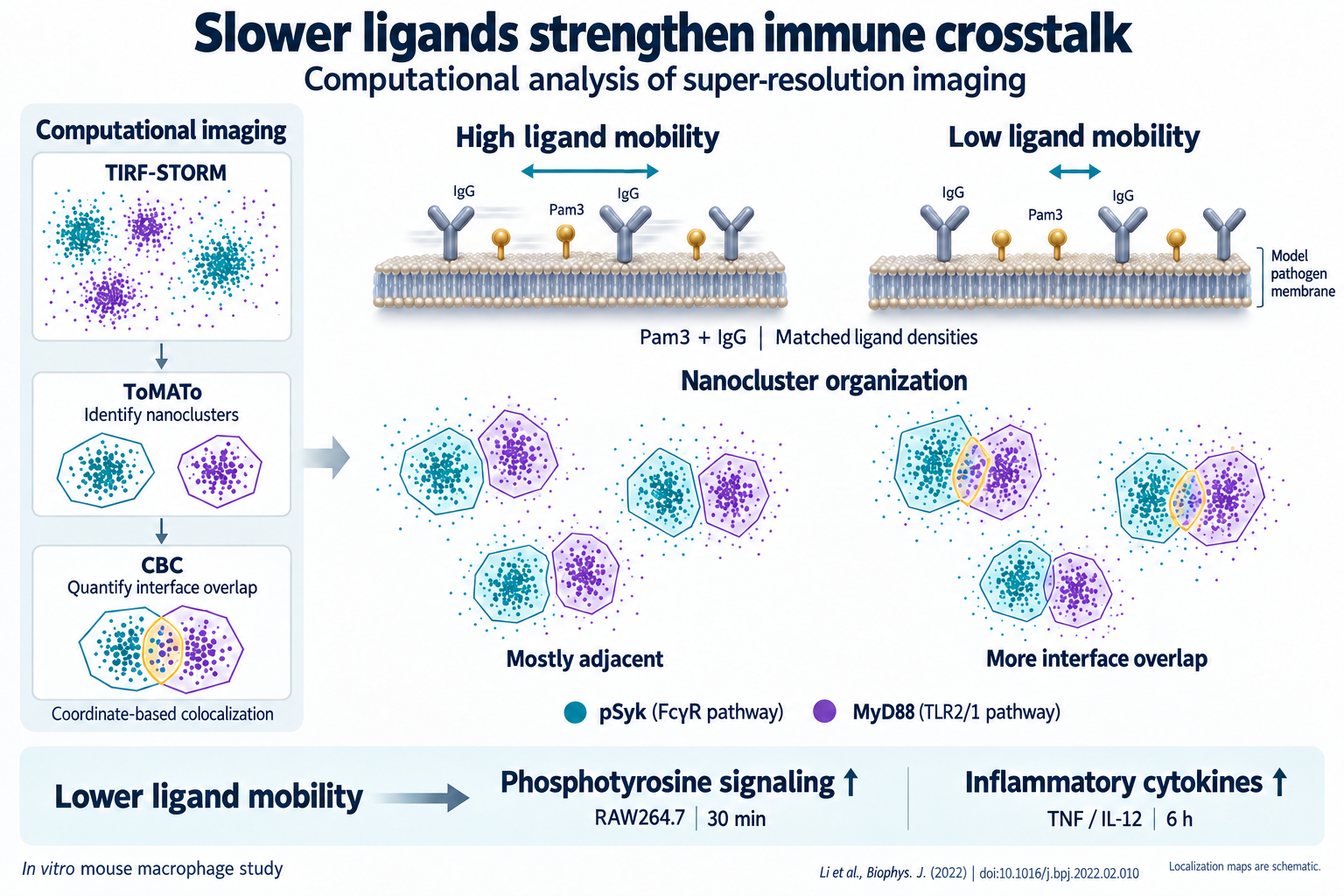
TIRF-STORM, ToMATo clustering and CBC reveal greater overlap between MyD88 and pSyk nanoclusters and stronger macrophage signaling with lower ligand mobility.

Biophysical Journal 2022

Immobile ligands enhance FcγR-TLR2/1 crosstalk by promoting interface overlap of receptor clusters

M. Li, S. Lee, M. Zahedian, C. Ding, J. Yan, Y. Yu

First author

In plain English

When ligands on a model pathogen membrane move less, FcγR and TLR2/1 nanoclusters overlap more at their interface, and macrophages mount a stronger inflammatory response — a physical way to tune immunity.

Graphic: Computational analysis of super-resolution images reveals how ligand mobility regulates FcγR–TLR2/1 crosstalk. IgG and Pam3 are presented on supported lipid bilayers at matched ligand densities but different lateral mobilities. Two-color TIRF-STORM maps MyD88 and pSyk, used as activation readouts for TLR2/1 and FcγR, respectively. ToMATo identifies nanoclusters, and coordinate-based colocalization (CBC) quantifies overlap between their localized signals. With lower ligand mobility, distinct nanoclusters develop more overlap at their interfaces. Complementary TIRF kernel-density and nearest-neighbor statistics support their organization into signalosomes. Greater interface overlap accompanies stronger phosphotyrosine signaling and inflammatory cytokine secretion. Imaging and phosphotyrosine measurements were performed in RAW264.7 macrophages after 30 min of stimulation. Separate 6 h ELISAs measured TNF in RAW264.7 cells and TNF plus IL-12 in primary murine bone marrow-derived macrophages. Cluster maps are conceptual; spatial overlap supports cluster-scale crosstalk without establishing direct molecular binding. Low mobility denotes reduced, not abolished, ligand diffusion.

Read the paper

2021

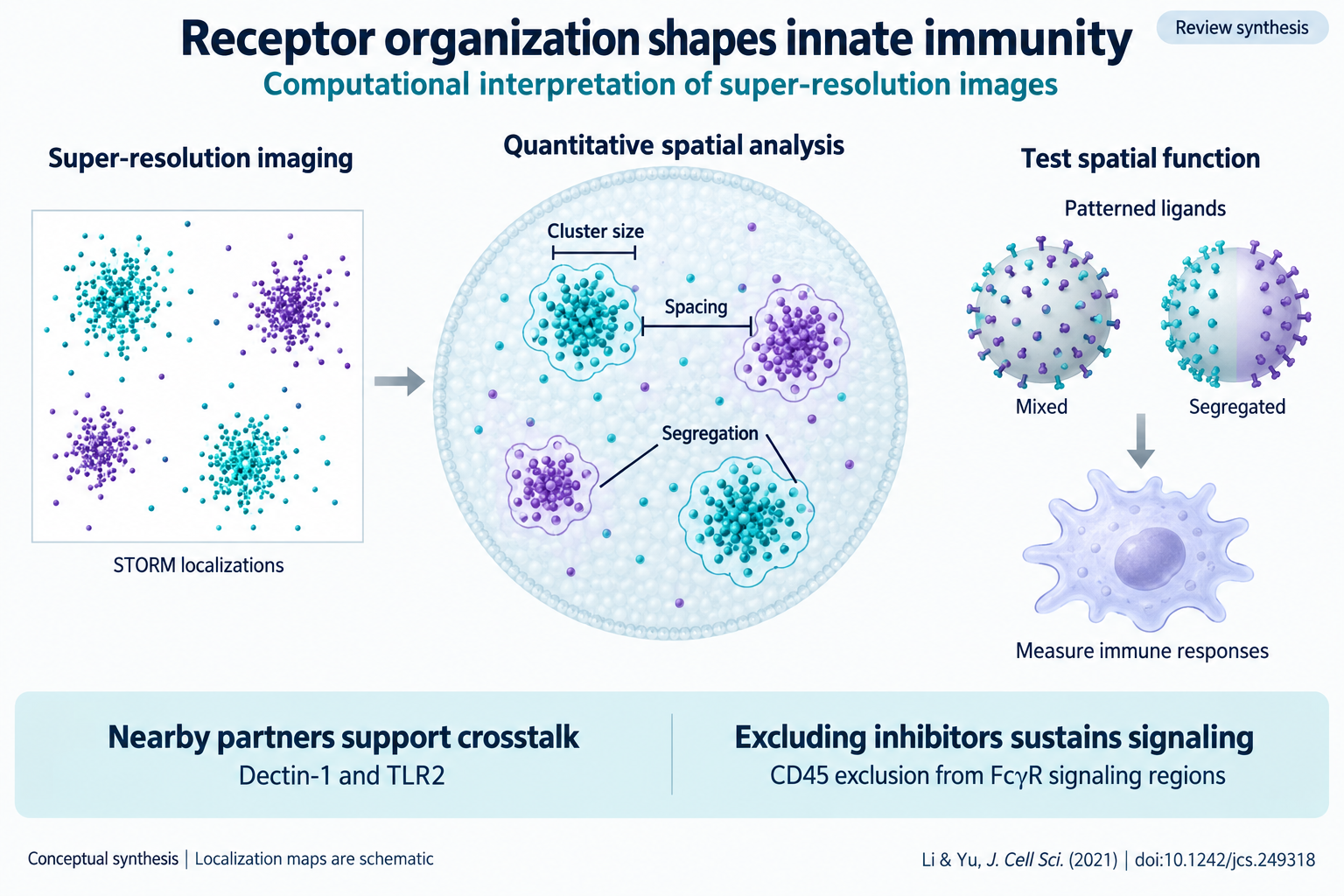
Review synthesis linking super-resolution imaging, quantitative analysis of receptor cluster size, spacing and segregation, and patterned-ligand experiments to innate immune signaling.

Journal of Cell Science 2021, 134(4)

Innate immune receptor clustering and its role in immune regulation

M. Li, Y. Yu

First authorReview

In plain English

A review of how innate immune receptors assemble into nano- and micro-scale clusters, and how that spatial organization shapes pathogen detection and downstream signaling.

Graphic: This review connects the quantitative interpretation of super-resolution images with the spatial regulation of innate immunity. Imaging studies, including STORM, reveal receptor nanoclusters and their organization. Computational interpretation of these images makes cluster size, spacing and segregation accessible to measurement. The schematic analysis panel summarizes these spatial questions rather than a specific algorithm introduced by the review. Two examples illustrate the biological significance: nearby, distinct Dectin-1 and TLR2 nanoclusters support signaling crosstalk, whereas exclusion of the inhibitory phosphatase CD45 from activated FcγR signaling regions helps sustain signaling. Complementary experiments using patterned ligands on planar substrates or engineered particles manipulate receptor arrangements and test functional consequences. Mixed and spatially segregated ligand patterns on particles probe Dectin-1–TLR2 cooperation through macrophage response measurements. Together, quantitative imaging and spatial perturbation help connect receptor organization to immune function. This is a conceptual synthesis of published studies discussed in the review; all localization maps and experimental icons are schematic.

Read the paper

2020

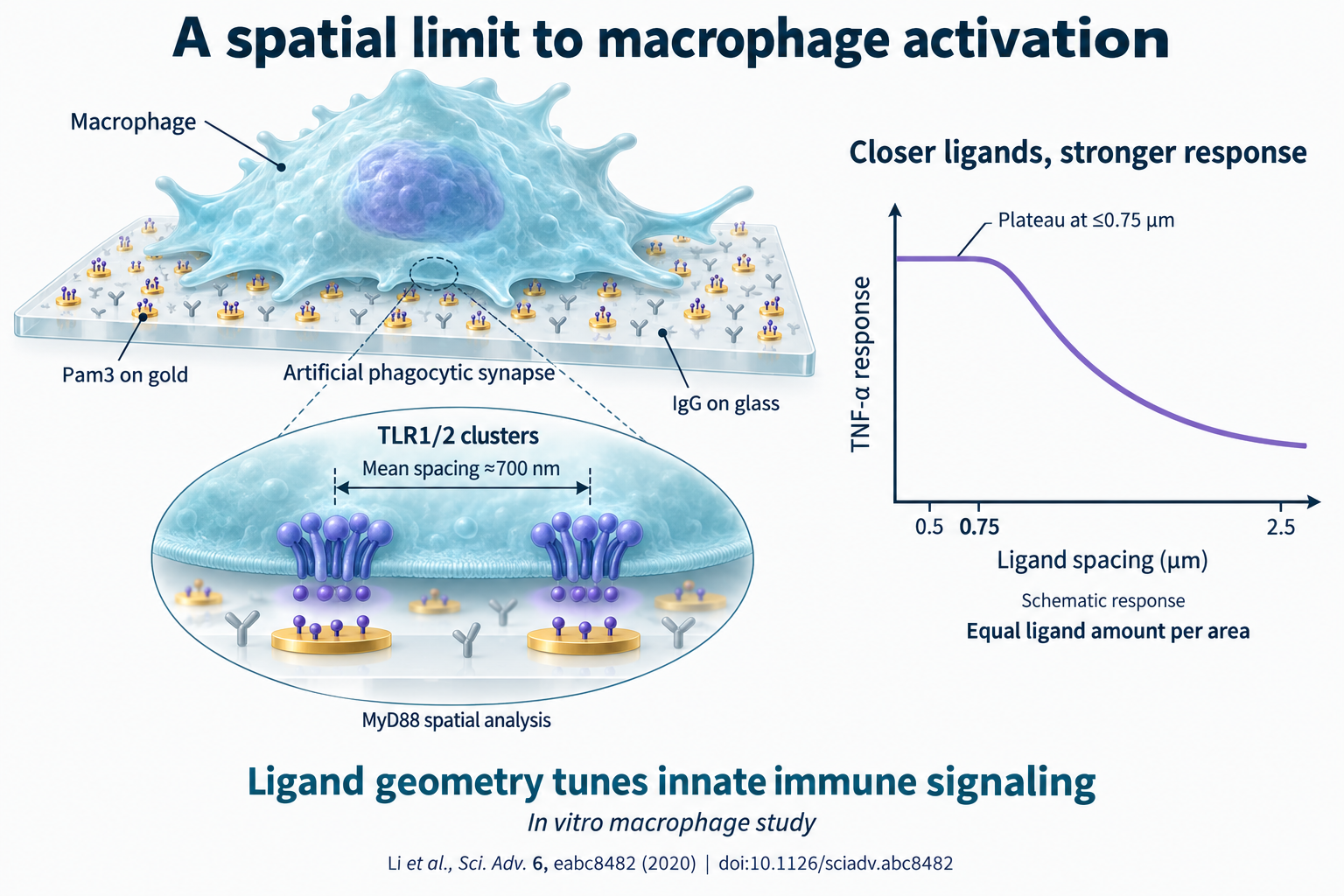
A macrophage rests on an artificial phagocytic synapse of Pam3-coated gold nanodisks and IgG-coated glass. A schematic shows the spacing limit of TLR1/2 clusters and the TNF-alpha response plateau at close ligand spacing.

Science Advances 2020, 6:eabc8482

Macrophage activation on “phagocytic synapse” arrays: Spacing of nanoclustered ligands directs TLR1/2 signaling with an intrinsic limit

M. Li, H. Wang, W. Li, X. G. Xu, Y. Yu

First authorOpen accessVideo

In plain English

We built nanoarrays that mimic the contact zone between a macrophage and a microbe. Moving ligand clusters closer together brought receptor clusters together and increased inflammatory signaling — up to an intrinsic ceiling.

Graphic: A macrophage rests on an artificial phagocytic synapse of Pam3-coated gold nanodisks and IgG-coated glass. A schematic shows the spacing limit of TLR1/2 clusters and the TNF-alpha response plateau at close ligand spacing.

Read the paper

2019

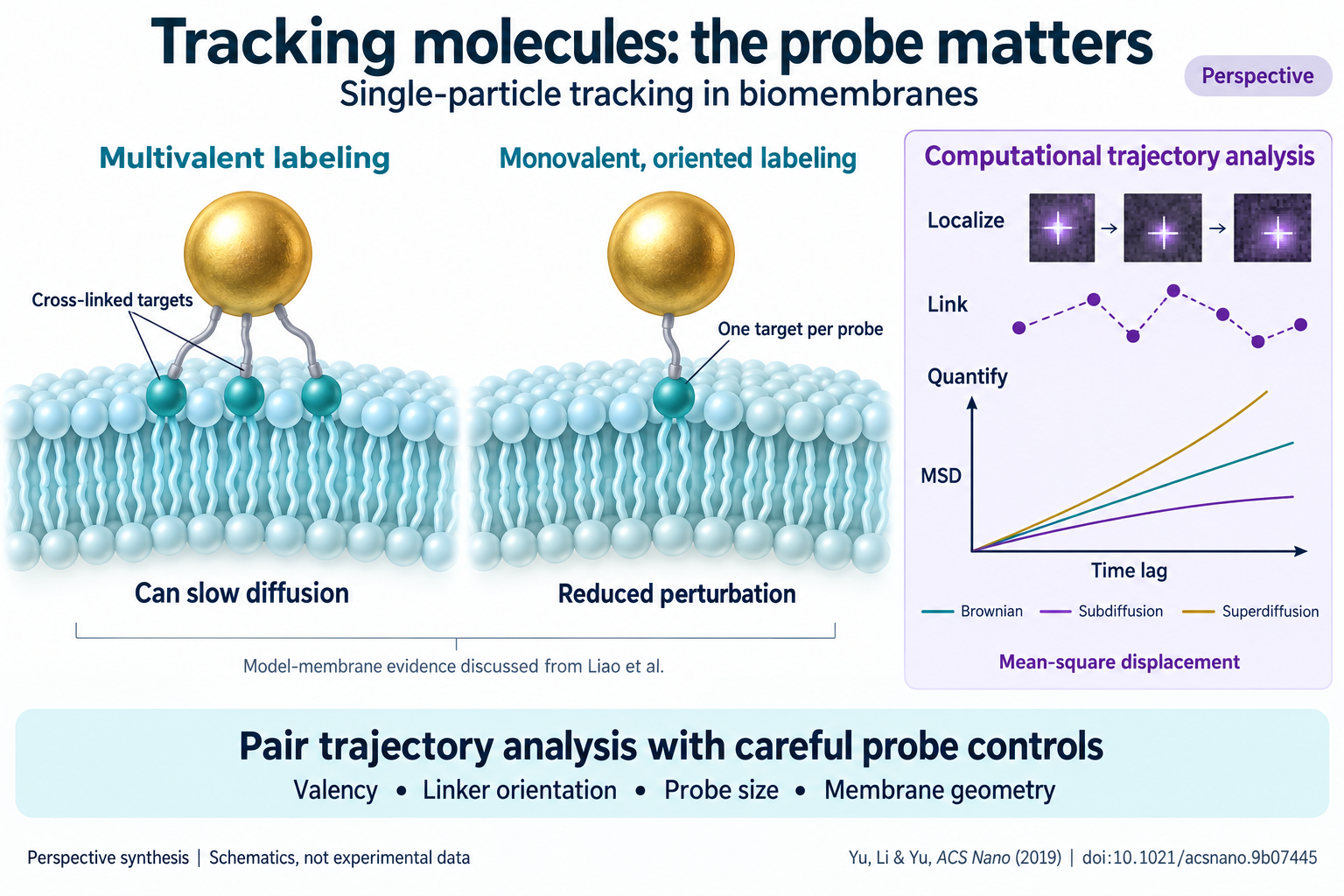
Perspective on single-particle tracking: multivalent gold probes cross-link membrane lipids, while monovalent oriented labeling reduces perturbation; computational localization, linking and mean-square displacement analysis quantify motion.

ACS Nano 2019, 13:10860–10868

Tracking single molecules in biomembranes: Is seeing always believing?

Y. Yu, M. Li, Y. Yu

Perspective

In plain English

A perspective on single-particle tracking in cell membranes: what nanoparticle probes have revealed, and how probe size, labeling, and analysis choices can produce misleading trajectories.

Graphic: Single-particle tracking reveals membrane dynamics, but probe attachment can alter the motion being measured. This Perspective explains how centroid localization, frame-to-frame linking and mean-square displacement analysis reconstruct trajectories and distinguish diffusion behaviors. Its central caution is illustrated by a model-membrane study by Liao et al. discussed in the article: multivalent gold-nanoparticle attachments can cross-link lipids and slow diffusion, whereas monovalent, oriented labeling can reduce perturbation. Probe size, linker design and membrane geometry also matter. The figure synthesizes reviewed evidence; the diffusion curves are conceptual, and reduced labeling artifacts in model membranes do not establish artifact-free tracking in cells.

Read the paper

2015

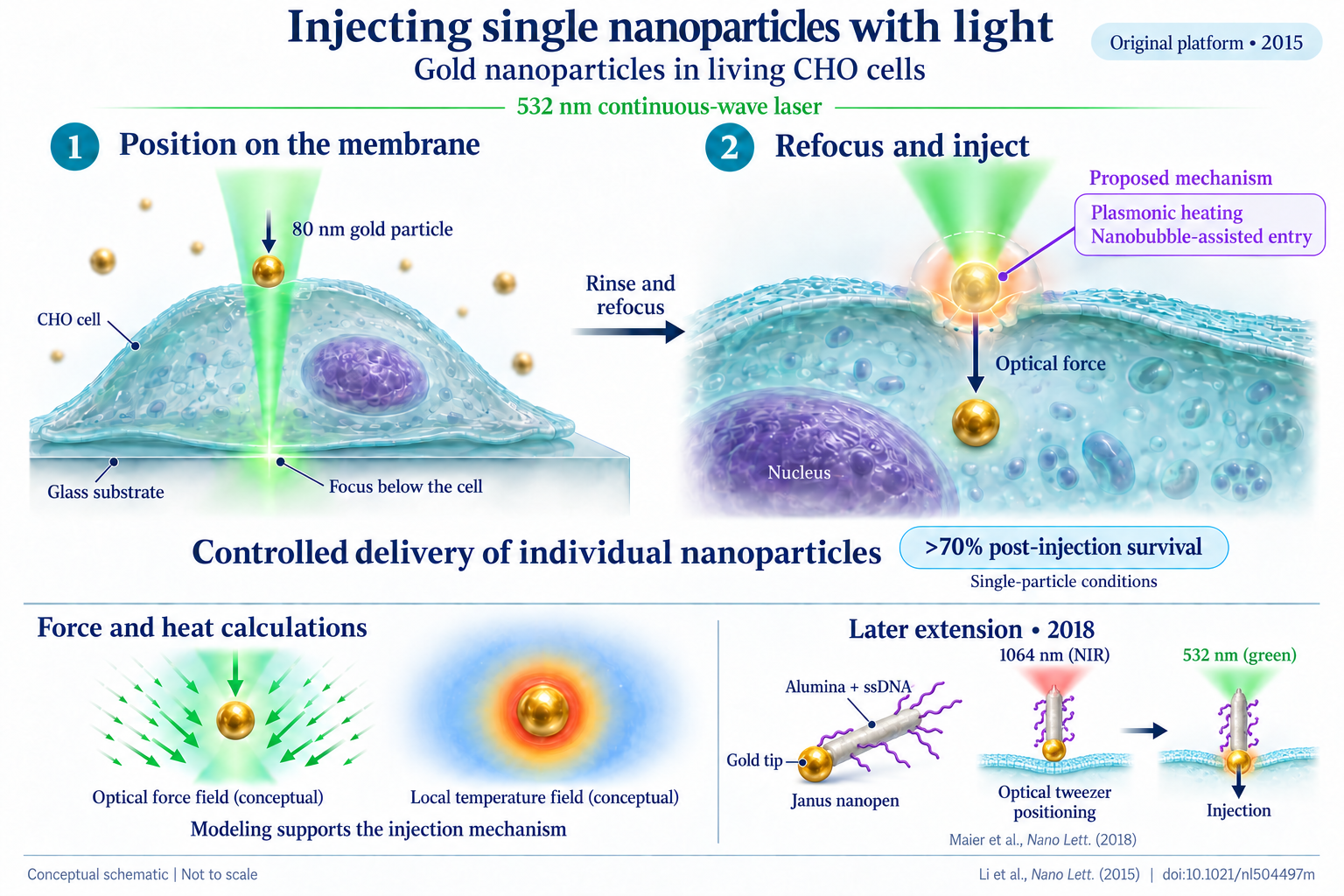
The 2015 optical platform positions and injects single gold nanoparticles into living CHO cells, supported by force and heat calculations. The 2018 inset shows a gold-tip, ssDNA-bearing alumina nanopen, followed by 1064 nm near-infrared optical tweezer positioning depicted in red and 532 nm green-light injection.

Nano Letters 2015, 15(1):770–775

Optical injection of gold nanoparticles into living cells

M. Li, T. Lohmüller, J. Feldmann

First authorVideo

In plain English

A continuous-wave laser first places single gold nanoparticles onto living cells, then injects them through plasmonic heating and optical force — with more than 70% post-injection viability under single-particle conditions.

Graphic: Optical printing followed by optical injection enables controlled delivery of individual gold nanoparticles into living CHO cells. In the 2015 study, a 532 nm continuous-wave laser first positions 80 nm gold particles on the cell membrane with its focus below the cell. After excess particles are rinsed away, the beam is refocused onto a selected particle. Force and heat calculations, together with observed nanobubble formation, support a mechanism in which localized membrane disruption and optical scattering force enable particle entry. Selective etching of extracellular gold and a scattering-spectrum red shift support intracellular localization. The reported survival above 70% refers to post-injection cell viability under single-particle conditions, not delivery efficiency or the combined printing-and-injection yield. The small 2018 inset shows a later extension by Maier et al.: Janus nanopens combine a gold tip with an alumina shaft carrying fluorescently labeled single-stranded DNA. A 1064 nm near-infrared optical tweezer, depicted in red, positions the nanopen at the cell membrane; a 532 nm green laser then induces gold-tip-first injection. This biomolecule-bearing design and two-wavelength sequence belong to the later study. All illustrations and model-field icons are conceptual and not to scale.

Read the paper

* Co-first authors. The graphics are schematic summaries I drew for this site, not the published figures. For citation counts and the complete record, see Google Scholar.